ᵇʸ: ᴹᴼᴴᴰ. ˢʸᴬᴴᴿᴵᴸ ᴿᴼˢᴰᴵ ᴬᴴᴹᴬᴰ ᶻᴬᴴᵁᴰᴵ
KUALA LUMPUR, JULY 26, 2026 – The Malam Mufti Bermuzakarah (Muftis’ Scholarly Discourse Night), held in conjunction with the Pre-International Waqf for Da’wah Convention 2026, successfully brought together muftis, Islamic scholars, academics, religious administrators, government representatives, non-governmental organisations (NGOs) and Muslim community leaders on a common intellectual platform to strengthen the agenda of waqf for da’wah as a sustainable instrument for the development of the Muslim community.
Held at the Grand Continental Hotel Kuala Lumpur after 7.50pm, the programme served as a precursor to the International Waqf for Da’wah Convention 2026, with the primary objective of fostering scholarly consensus before proposals and resolutions on waqf for da’wah are tabled at the main convention.
The event, attended by 155 participants, was jointly organised by the Muslim Welfare Organisation Malaysia (PERKIM) and the Federal Territories Islamic Religious Council (MAIWP).
The programme commenced with welcoming remarks by the master of ceremonies, followed by a recitation of doa (supplication) by Muhammad Jais Mariappan Abdullah, Da’wah Executive I of PERKIM.
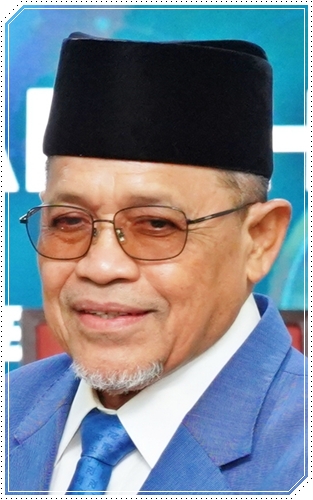 In his welcoming address, PERKIM Vice-President, YB Dato’ Seri Dr Shahidan Kassim stressed that organising a pre-convention scholarly discourse with the nation’s muftis was a vital initiative to ensure that every proposal concerning waqf and da’wah development is firmly grounded in sound scholarship and comprehensive understanding of Islamic jurisprudence.
He said PERKIM deliberately brought together muftis, university lecturers, academics and experts in Islamic studies to facilitate open discussions through scholarly dialogue and question-and-answer sessions.
“A muzakarah is the best platform to refine ideas before they are translated into action. Whenever we organise conventions involving Islamic affairs, the process should begin with scholarly discourse so that views can be harmonised with our muftis,” he said.
Dr Shahidan noted that while the administration of Islamic affairs falls under the jurisdiction of individual states and may differ in implementation, the fundamental principles of Islamic law remain the same and should be strengthened through continuous scholarly engagement.
He announced that PERKIM intends to institutionalise Malam Mufti Bermuzakarah as a quarterly programme focusing on contemporary issues affecting the Muslim community.
Elaborating on the concept of waqf for da’wah, Dr Shahidan said the public should not perceive da’wah merely as delivering religious lectures or guiding people to embrace Islam.
Instead, he described waqf for da’wah as a comprehensive ecosystem that ensures new Muslims and target communities continue to receive religious guidance, education, economic empowerment and access to essential facilities after embracing Islam.
“Waqf for da’wah is not simply about preaching and then leaving. It must provide long-term support for new Muslims so they can practise Islam comprehensively. They require education, infrastructure, community development and continuous guidance,” he said.
He also explained several categories of waqf, including specific waqf, general waqf and conditional waqf, while highlighting challenges surrounding the development of waqf land, particularly issues related to lease periods and land-use conditions that may create future complications.
At the same time, he outlined several strategic proposals to strengthen Malaysia’s waqf for da’wah agenda.
Among them was the adoption of digital banking platforms to facilitate faster, more transparent and efficient waqf contributions in line with advancements in financial technology.
He also proposed that the Government consider establishing a Ministry of Waqf and Hajj to provide dedicated oversight for the development of the nation’s waqf assets, estimated at more than 35,000 hectares, much of which has yet to be fully utilised.
“With a ministry dedicated specifically to waqf and Hajj, I believe the tremendous potential of our waqf assets can be developed more systematically for the benefit of the Muslim community,” he said.
Dr Shahidan further announced PERKIM’s intention to establish a Waqf for Da’wah Fund immediately after the convention, enabling contributions from financial institutions, government agencies, corporations and the public to finance da’wah programmes on a continuous basis.
He revealed that several banking institutions had already expressed their commitment to contributing to the fund, with PERKIM itself and MAIWP expected to be among its principal contributors.
He also expressed the aspiration to coordinate hundreds of da’wah NGOs nationwide so they can operate in a more structured and complementary manner as part of Malaysia’s mainstream da’wah development agenda.
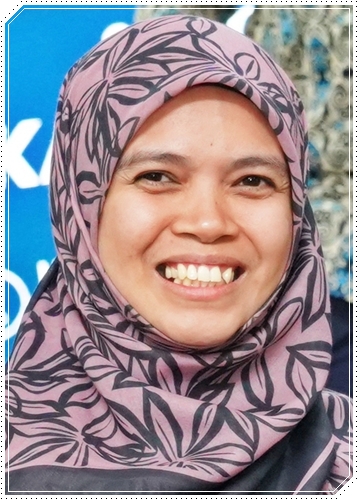 Meanwhile, Deputy Minister in the Prime Minister’s Department (Religious Affairs), Your Honor Senator Ustazah Marhamah Rosli, who officiated the programme on behalf of Minister in the Prime Minister’s Department (Religious Affairs) Senator Dr Zulkifli Hassan, described PERKIM’s concept of waqf for da’wah as an innovative initiative with significant potential to strengthen the development of new Muslims and Islamic communities in rural and remote areas.
She said the concept addresses one of the greatest challenges in da’wah efforts — the lack of sustained support after an individual embraces Islam.
Sharing her experience in Sabah, she recalled that while many individuals accepted Islam, they often struggled to continue practising their new faith due to shortages of religious teachers, imams, basic facilities and ongoing guidance.
“Sometimes we build a surau, but when we return several months later, some are still unable to perform their prayers properly because there is no teacher to guide them consistently.
“This is where waqf for da’wah becomes crucial. It is not merely about constructing physical infrastructure, but about developing people, communities and sustainable Islamic education,” she said.
She also commended PERKIM for introducing the concept and reaffirmed the MADANI Government’s commitment to supporting initiatives that strengthen the development of the Muslim community regardless of political affiliation.
According to her, scholarly discourse such as this provides an important platform for academics, muftis, religious administrators and the wider community to exchange views constructively in search of common ground on issues affecting the Muslim community.
Following the opening ceremony, the programme continued with the Malam Mufti Bermuzakarah forum moderated by Melaka Mufti Datuk Wira Abdul Halim Tawil, who is also Chairman of PERKIM Melaka.
The keynote panellist was Sarawak Mufti Datu Haji Khalidi Haji Ibrahim.
The discussion, themed “Expanding the Role of Waqf and Zakat in Empowering the Community’s Economy,” focused on the objectives (maqasid syariah) underpinning zakat and waqf, and how both institutions can serve as sustainable catalysts for economic development and da’wah.
In his presentation, Datu Khalidi emphasised that zakat is not merely a mechanism for wealth redistribution but also an instrument for safeguarding the faith, strengthening aqidah (Islamic creed) and enhancing the wellbeing of society, particularly among new Muslims.
He stressed that zakat distribution to converts reflects the maqasid syariah principle of protecting religion (hifz al-din), ensuring that new Muslims continue receiving guidance until they become self-reliant and eventually serve as da’wah advocates within their own communities.
He also noted that the success of Malaysia’s zakat institutions today is the result of sustained public education in cultivating a culture of zakat, with salary deductions emerging as one of the major contributors to zakat collections in several states, including Sarawak.
The moderator also explored issues relating to public perceptions of zakat, the importance of encouraging charitable giving, the management of mustaghallat assets and the role of zakat institutions in strengthening the socio-economic development of the Muslim community.
The programme concluded with an interactive question-and-answer session, which drew active participation from university lecturers, researchers, religious officers, NGO representatives and officials from various agencies, who contributed a range of constructive views and recommendations.
As a gesture of appreciation, Dr Shahidan presented PERKIM commemorative plaques to Senator Ustazah Marhamah Rosli, Datuk Wira Abdul Halim Tawil and Datu Haji Khalidi Haji Ibrahim for their contributions towards the success of the programme.
Also in attendance were PERKIM Vice-Presidents Dr Mohd Ridhuan Tee Abdullah, Muhammad Fitri Abdullah and Datuk Mohd Nakhaie Ahmad; MAIWP Chief Executive Officer Datuk Mohd Nizam Yahya; Sarawak Mufti Department Director Ahmad Sukarno Saini; former Kelantan Menteri Besar Dato’ Bentara Kanan Ustaz Ahmad Yakob; PERKIM Perlis Chairman Dato’ Khairi Hasan; PERKIM Kedah Chairman Dato’ Abd Rahman Ismail; Permanent Chairman Abdul Ghafar Mamat; Deputy Permanent Chairman Mahadi Deraman; Negeri Sembilan Deputy Mufti Mohd Raizalani Mohd Rais; Perlis Islamic Religious Affairs Department Director Maizura Shamsuddin; and PERKIM Chief Executive Officer Dr Suariza @ Hidayah Muhammad.
The successful organisation of Malam Mufti Bermuzakarah has laid a strong foundation for the International Waqf for Da’wah Convention 2026 by bringing together scholars, policymakers and religious administrators to formulate fresh approaches towards strengthening waqf, zakat and da’wah through a more integrated framework for the benefit of the Muslim community and the advancement of Islam in Malaysia and beyond.
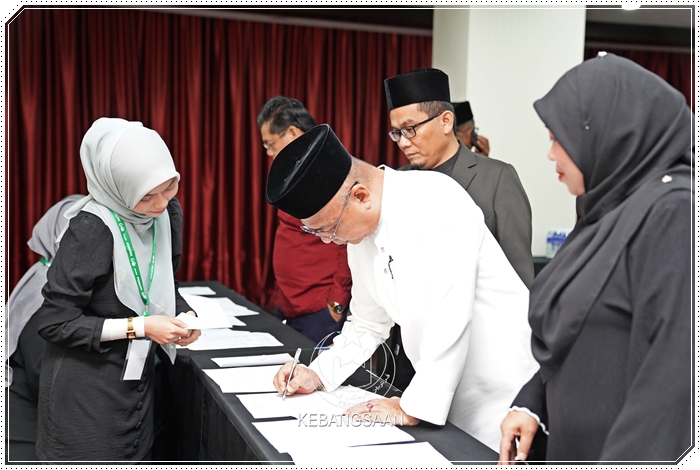
Participants and distinguished guests fill in their particulars during the registration session.
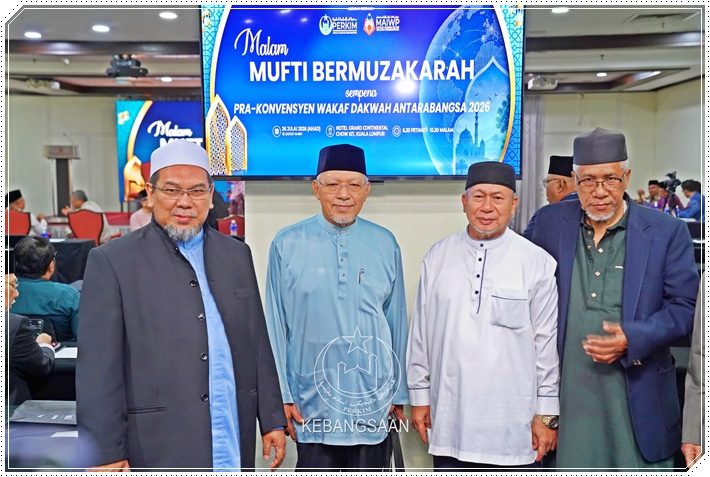
Participants of the scholarly discourse gather with former Kelantan Menteri Besar Dato’ Bentara Kanan Ustaz Dato’ Haji Ahmad Yakob.
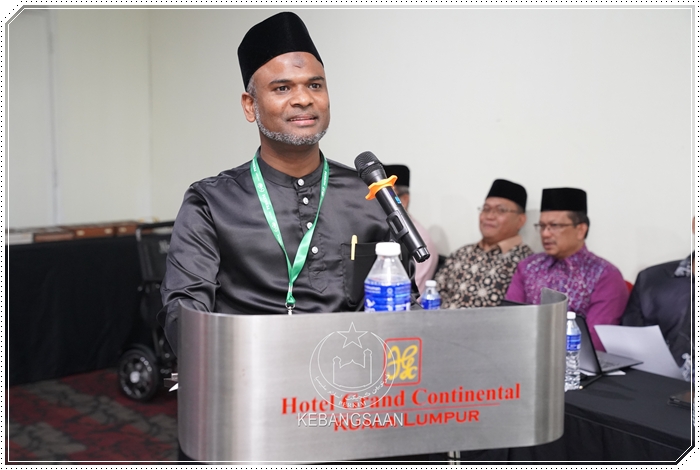
Muhammad Jais Mariappan serves as the master of ceremonies for the Malam Mufti Bermuzakarah held in conjunction with the Pre-International Waqf for Da’wah Convention 2026 in Kuala Lumpur.
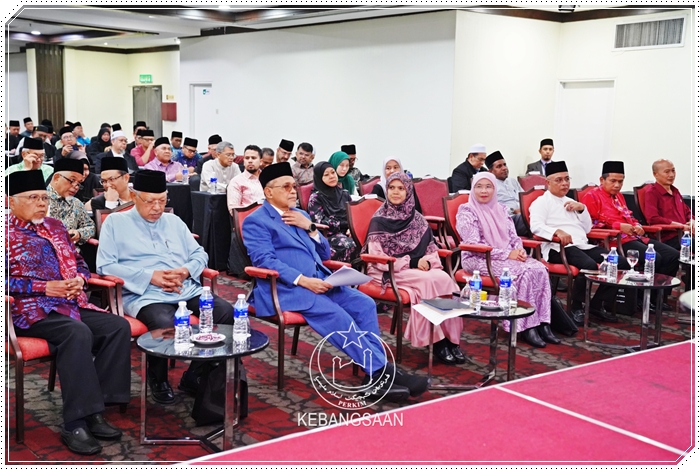
Distinguished guests welcome the arrival of Deputy Minister in the Prime Minister’s Department (Religious Affairs), Your Honor Senator Ustazah Marhamah Rosli.
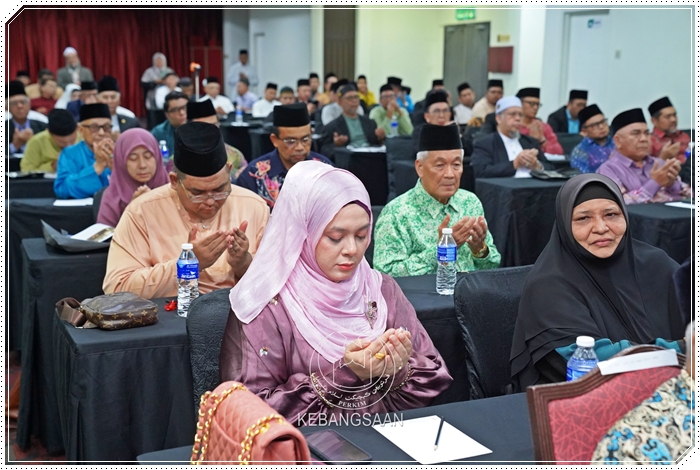
Participants raise their hands in supplication as the doa (prayer) is recited.
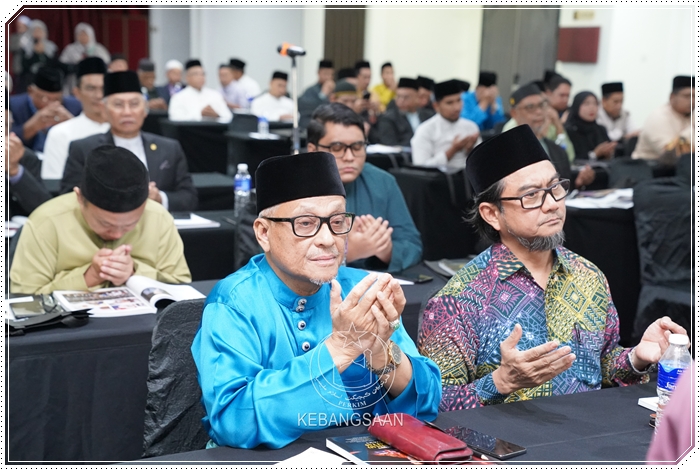
Participants respond with “Ameen” to the supplication led by Muhammad Jais Mariappan.
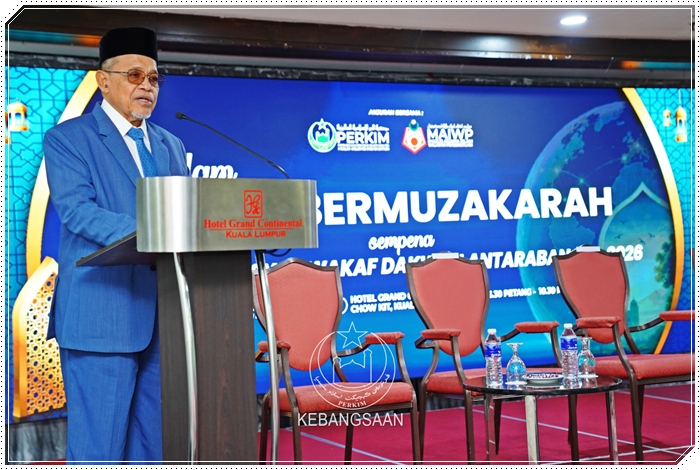
Dr Shahidan also proposed that the Government consider establishing a Ministry of Waqf and Hajj to provide dedicated oversight for the development of the nation’s waqf assets.
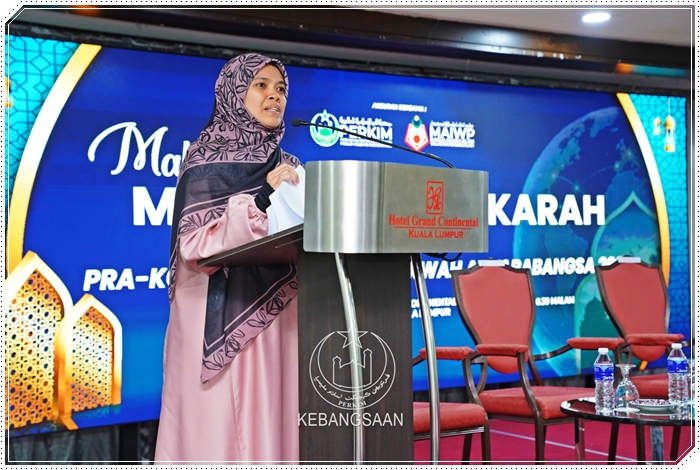
Marhamah said the concept of waqf for da’wah addresses one of the greatest challenges in da’wah efforts, the lack of sustained support after an individual embraces Islam.
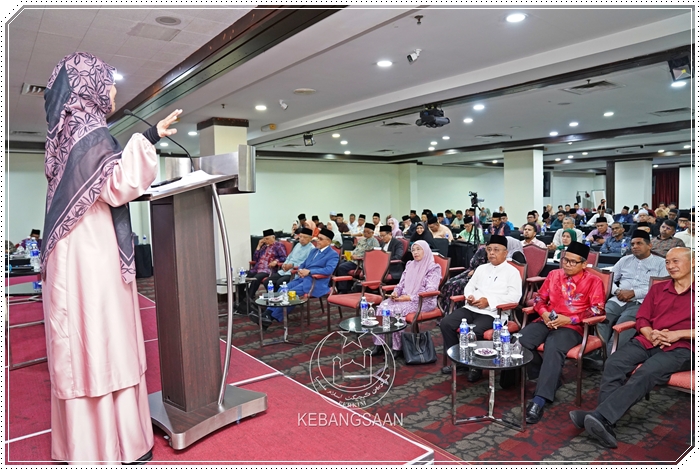
Marhamah said scholarly discourses such as this provide an important platform for academics, muftis, religious administrators and the wider community to exchange views constructively in search of common ground on issues affecting the Muslim community.
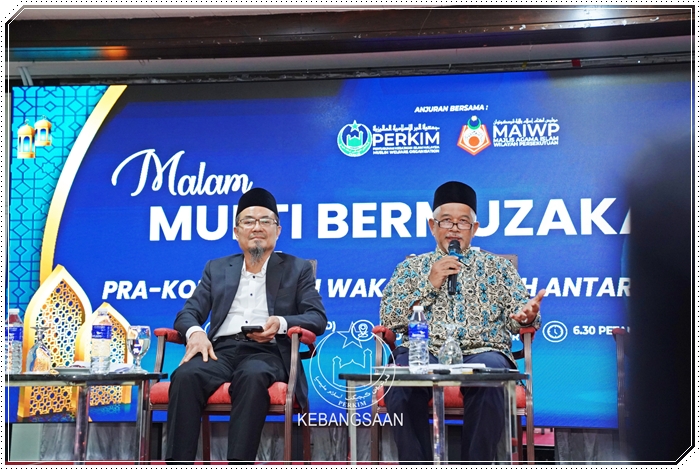
The Malam Mufti Bermuzakarah forum was moderated by Melaka Mufti Datuk Wira Abdul Halim Tawil, who is also Chairman of PERKIM Melaka, while the keynote panellist was Sarawak Mufti Datu Haji Khalidi Haji Ibrahim.
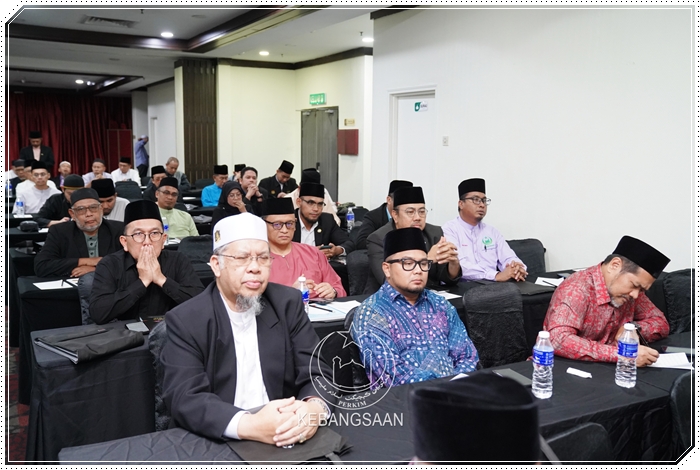
Participants listen attentively to the scholarly discourse.
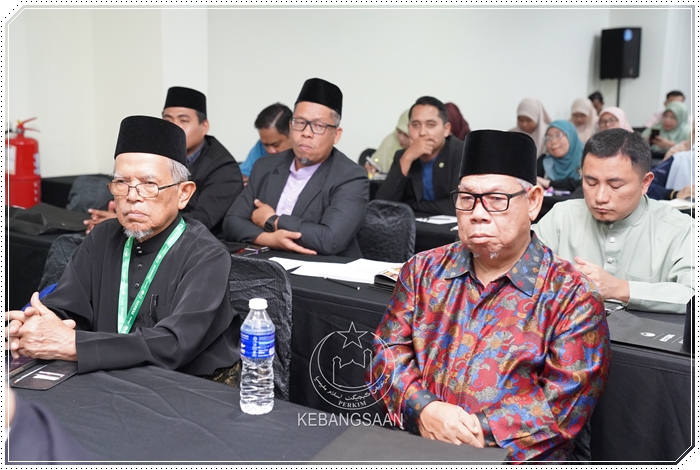
Participants follow the scholarly discussion with rapt attention.
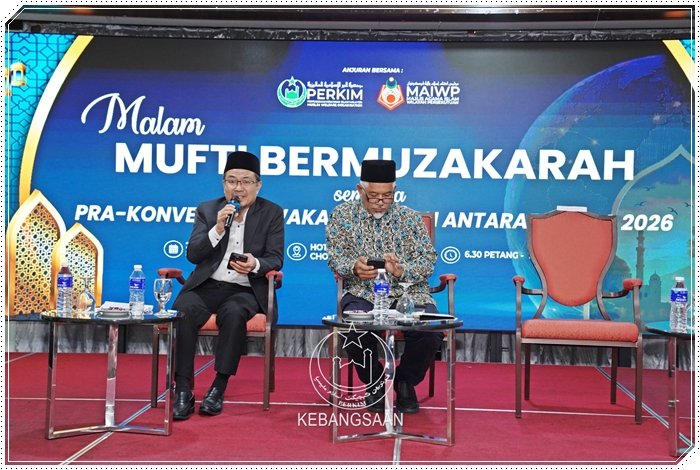
Datu Haji Khalidi stressed that zakat distribution to new Muslim beneficiaries (asnaf mualaf) reflects the maqasid syariah principle of safeguarding the faith (hifz al-din), ensuring that converts continue to receive guidance until they become self-reliant and eventually serve as da’wah advocates within their respective communities.
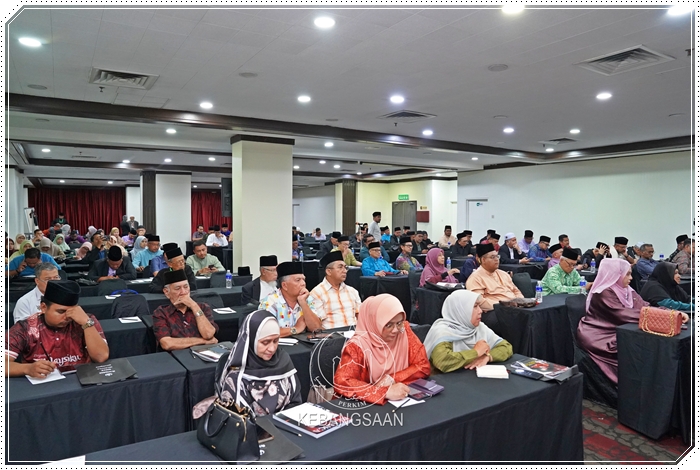
The Sarawak Mufti said the success of Malaysia’s zakat institutions today is the result of sustained public education in cultivating a culture of zakat, describing salary deductions as one of the major contributors to zakat collections in several states.
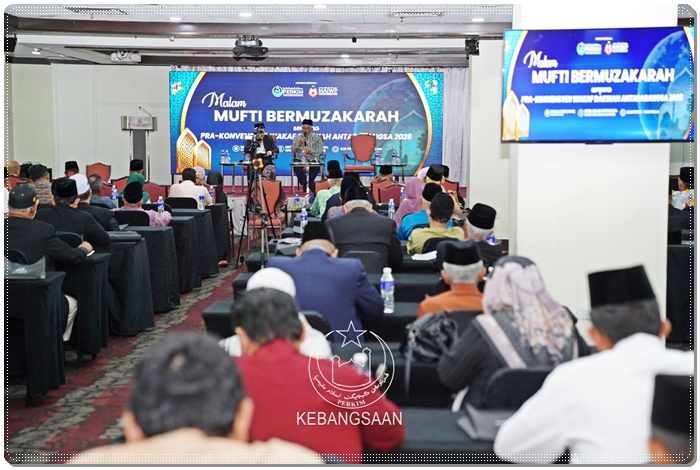
The moderator also explored a range of issues, including public perceptions of zakat, the importance of fostering a culture of charitable giving (infak), the management of mustaghallat assets, and the role of zakat institutions in strengthening the socio-economic development of the Muslim community.
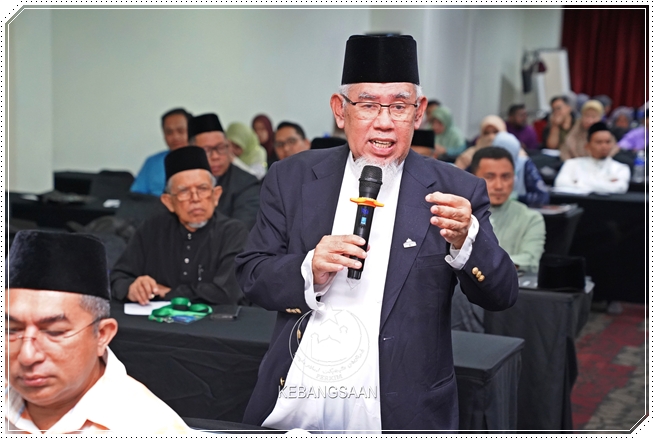
Participants pose questions and share their views during the interactive question-and-answer session.
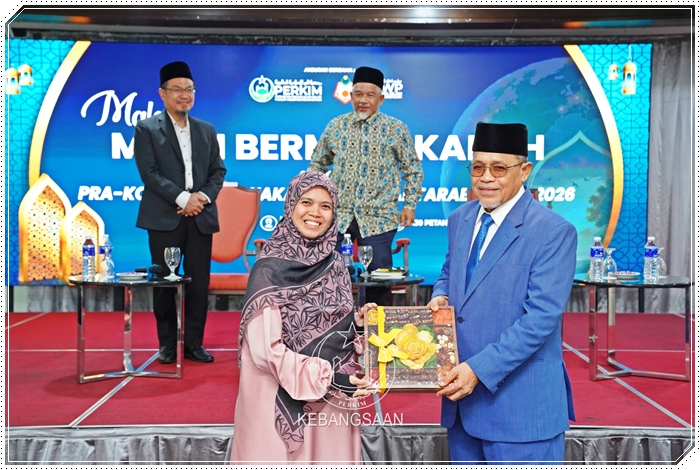
Dr Shahidan presents a commemorative token of appreciation to Senator Ustazah Marhamah Rosli in recognition of her role in officiating the programme.
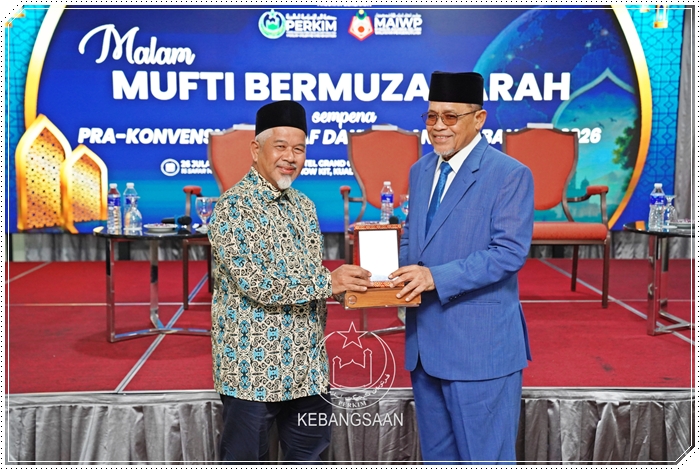
Dato’ Wira Abdul Halim receives a PERKIM commemorative plaque and a token of appreciation from Dr Shahidan.
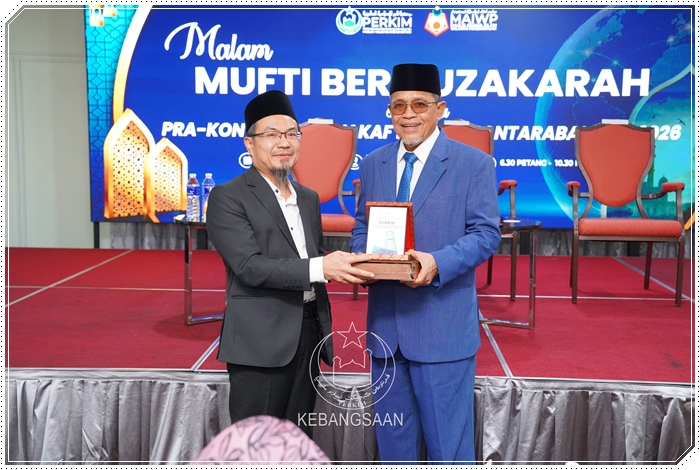
Dato’ Seri Dr Shahidan presents a PERKIM commemorative plaque and a token of appreciation to Sarawak Mufti Datu Haji Khalidi Haji Ibrahim.
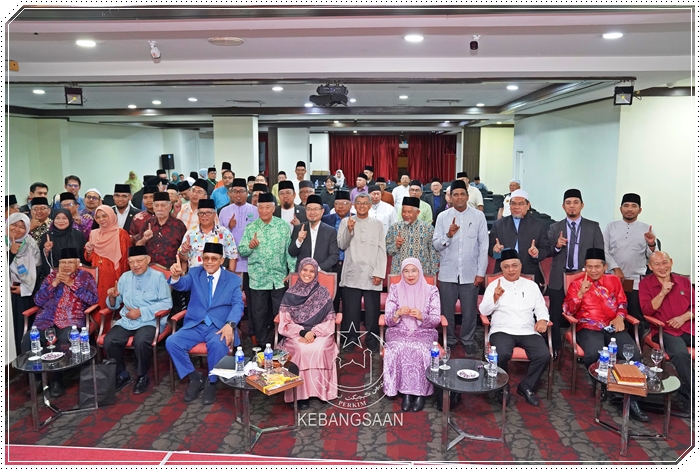
Distinguished guests and participants of the Malam Mufti Bermuzakarah pose for a commemorative group photograph at the conclusion of the programme.