

Sarawak Premier Outlines Three Key Pillars for PERKIM, Calls for Stronger Digital Da’wah, Waqf Financing and Converts’ Welfare

By: MOHD. SYAHRIL ROSDI AHMAD ZAHUDI
KUCHING, OCTOBER 26, 2026 – Strengthening digital da’wah, ensuring economic sustainability through contemporary waqf financing, and enhancing the welfare of new Muslims have emerged as the three key pillars outlined by Sarawak Premier and President of the Muslim Welfare Organisation Malaysia (PERKIM), YAB Datuk Patinggi Tan Sri (Dr.) Abang Haji Abdul Rahman Zohari Tun Datuk Abang Haji Openg, to ensure the organisation remains relevant, resilient and forward-looking in addressing future challenges.
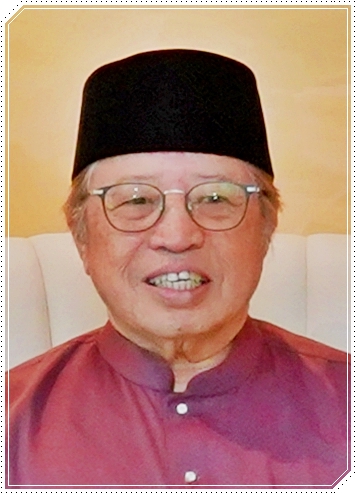
He emphasised that PERKIM must undertake a strategic transformation of its da’wah approach, making it more dynamic and guided by wisdom, in keeping with technological advancements, evolving communication landscapes and the needs of the country’s multicultural society.
He said the organisation’s 65 years of experience in da’wah, welfare services and the advocacy of new Muslims should serve as a strong foundation for building a more sustainable, credible and high-impact future.
“Da’wah today can no longer be confined to one-way communication. We are engaging with younger generations and a multicultural society that requires an Islamic narrative that is comprehensive, inclusive, tolerant and harmonious,” he said in his policy address at the PERKIM National Council Meeting No. 1/65, held at Pullman Kuching Hotel, Sarawak, this morning.
The meeting, which commenced at 9.30am, brought together PERKIM’s top leadership, National Council members and chairmen of its state divisions to deliberate on the organisation’s strategic direction, achievements and management.
On the first pillar, Abang Johari said the rapid advancement of disruptive technologies, social media and artificial intelligence (AI) necessitated PERKIM to strengthen its digital communication capabilities to disseminate accurate, authentic and easily understood Islamic teachings to the wider public.
He said da’wah could no longer be restricted to conventional methods but must be expanded through digital platforms capable of reaching a wider audience, particularly among the younger generation.
Accordingly, PERKIM must develop technologically proficient preachers who can engage effectively in the digital environment and address misconceptions about Islam through factual, measured and wisdom-based arguments.
Such an approach is crucial to ensuring that Islam’s message of compassion, harmony and well-being is communicated more effectively to people from diverse ethnic and social backgrounds.
Turning to the second pillar, he underscored the need to strengthen PERKIM’s economic standing through contemporary waqf financing models and the strategic optimisation of the organisation’s existing assets nationwide.
He said financial sustainability was a key factor in ensuring that da’wah and welfare programmes could be implemented continuously without excessive reliance on uncertain funding sources.
“Greater economic self-reliance will empower PERKIM to roll out more high-impact programmes without being constrained by financial limitations,” he said.
He added that the potential of waqf must be explored strategically so that this Islamic economic instrument could not only support immediate needs but also serve as a sustainable, long-term source of funding to extend assistance to those in need.
The initiative is also aligned with the need to strengthen asset governance and financial resource management to ensure that the organisation is administered in a more sustainable, transparent and accountable manner.
Addressing the third pillar, Abang Johari stressed that the welfare of new Muslims must remain a priority, as this community has been among the fundamental pillars of PERKIM’s establishment and mission since its inception.
He said the organisation’s responsibility should not end when an individual embraces Islam. Instead, it must be sustained through a comprehensive support system encompassing spiritual education, emotional guidance and socio-economic assistance.
The ultimate objective is to ensure that new Muslims not only develop a firm foundation in Islamic faith but are also empowered to build independent lives, achieve excellence and eventually contribute back to the da’wah movement.
He said such a holistic welfare approach must be implemented systematically to ensure that every new Muslim receives guidance and assistance tailored to their individual needs and life challenges.
Meanwhile, Abang Johari reminded PERKIM leaders at national, divisional and branch levels to strengthen unity, preserve ukhuwah (brotherhood) and set aside differences in the interest of the organisation.
He said strategic plans would not achieve their intended outcomes if internal cohesion was not safeguarded.
In this regard, all PERKIM members were urged to focus on da’wah initiatives and welfare management founded on transparency, accountability and integrity, while fostering a strong culture of teamwork at every level of the organisation.
He also expressed his appreciation to the organising committee and secretariat for their commitment in ensuring the smooth conduct of the meeting, expressing hope that the deliberations and resolutions reached would propel PERKIM towards greater excellence.
Also present were Sarawak Deputy Minister in the Premier’s Department (Islamic Affairs), YB Datuk Haji Abdul Rahman Haji Junaidi; PERKIM Deputy President, YB Dato’ Seri Dr. Shahidan Kassim; Dr. Haji Mohd Ridhuan Tee Abdullah; Ustaz Haji Muhammad Fitri Abdullah; Datuk Haji Mohd Nakhaie Ahmad; and Deputy Minister of Health Malaysia and Chairman of PERKIM Sarawak State Division, YB Dato’ Hajjah Hanifah Hajar Taib.
Among the PERKIM National Council members in attendance were Prof. Dato’ Dr. Haji Mohd Farid Ravi Abdullah, Dr. Ann Wan Seng, Haji Saiful Bahri Abdullah, Dato’ Sri Hajah Rohani Abdul Karim, Datuk Haji Hasbullah L. Isa, Dr. Nur’azah Dato’ Abdul Manaf, Dr. Amin Malik Shah Abdul Majid, Datin Paduka Hajah Norsiah Haron, Dato’ Haji Khairi Hasan, Sahibussamahah Datuk Wira Haji Abdul Halim Tawil and Haji Turedy Abdullah.
Meanwhile, PERKIM Honorary Secretary-General, Dato’ Dr. Haji Mohamad Marzuki Mohamad Omar, presented the minutes of the 64th National Council Meeting, held on July 14, 2025, at the Meeting Room, 22nd Floor, PERKIM Building, Kuala Lumpur, for the council members’ consideration and approval.
The meeting also reviewed matters arising from previous deliberations and considered the presentation of the 2025 Annual Report, which is scheduled to be tabled at the 65th PERKIM National Annual General Meeting.
PERKIM Honorary Treasurer, Dato Haji Mersal Abang Rosli, subsequently presented the organisation’s latest financial report for the period ending September 30, 2026, together with PERKIM National’s audited accounts for the financial year ended December 31, 2025.
The meeting also deliberated on PERKIM National’s proposed budget estimates for 2027 for consideration and approval, alongside other matters relating to the organisation’s administration and management.
These presentations formed an important part of the meeting’s agenda, aimed at ensuring that PERKIM’s financial management, programme implementation and annual planning remained aligned with the da’wah and welfare priorities set by the organisation’s leadership.
The meeting was also attended by chairmen of PERKIM’s state divisions, representing the organisation’s leadership at their respective state levels.
The PERKIM National Council Meeting No. 1/65 served as an important platform to strengthen organisational coordination, assess current management and achievements, and establish strategic priorities to ensure PERKIM continues to play an effective role in advancing da’wah, safeguarding the welfare of new Muslims and promoting the well-being of the ummah.
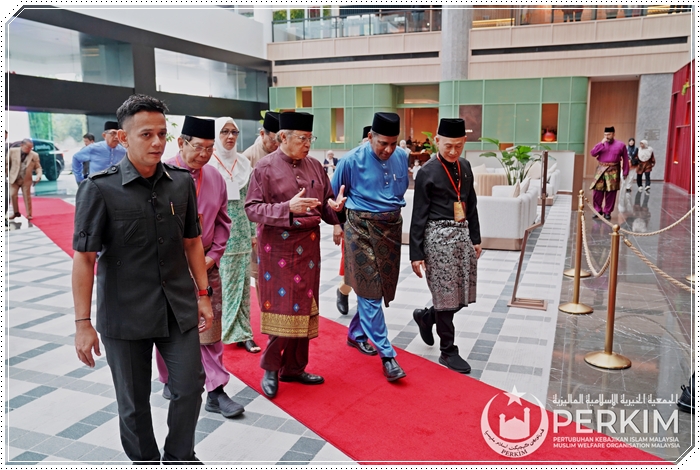
Sarawak Premier and PERKIM President arrives at the National Council Meeting, accompanied by the organisation’s Vice-Presidents and distinguished guests.
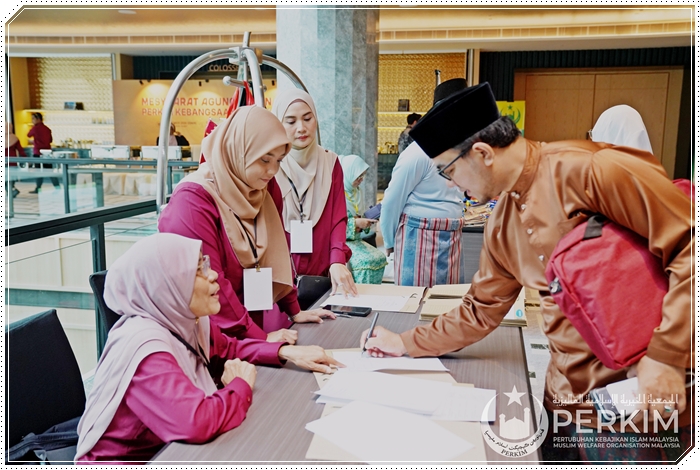
Council members sign the attendance register before entering the meeting hall.
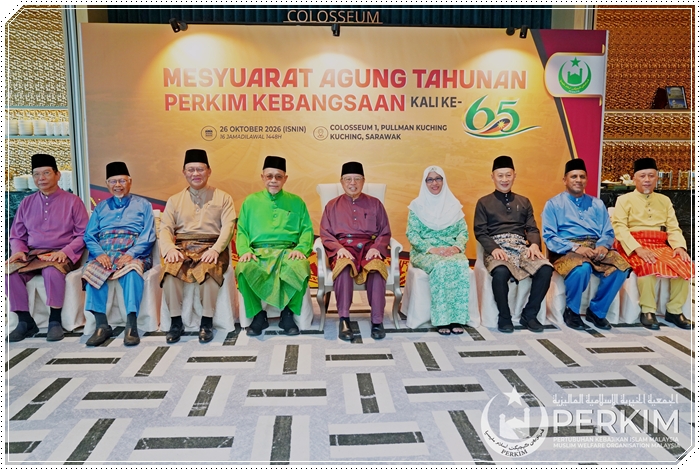
Sarawak Premier and PERKIM President poses for an official photograph with the Vice-President, Honorary Secretary-General and Honorary Treasurer.
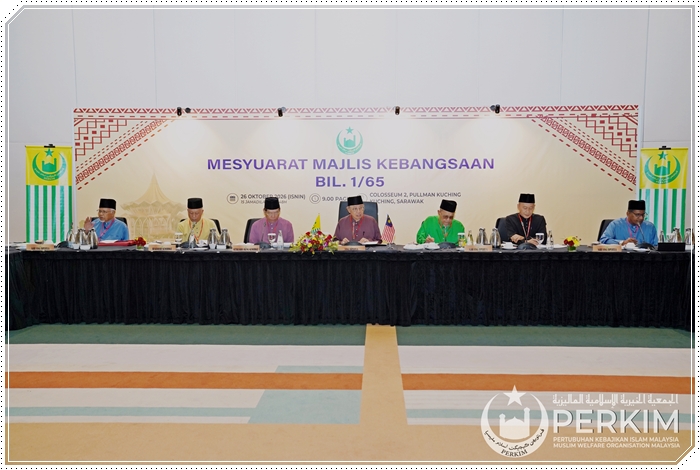
YAB Datuk Patinggi Tan Sri (Dr.) Abang Haji Abdul Rahman Zohari Tun Datuk Abang Haji Openg, in his capacity as PERKIM President, chairs the meeting and delivers his policy address.
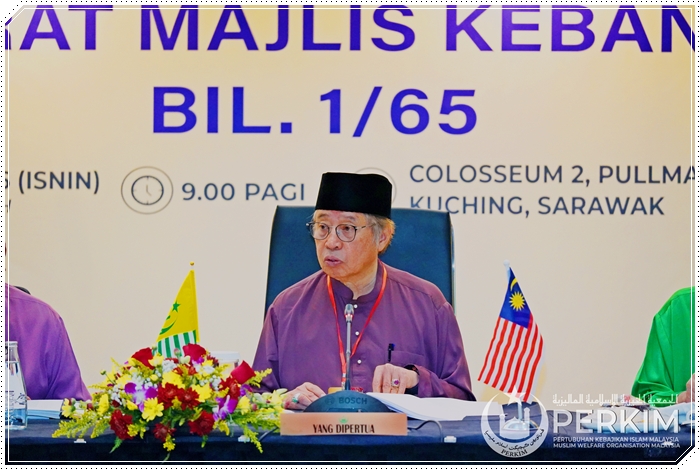
Abang Johari emphasises that PERKIM must undertake a strategic and dynamic transformation of its da’wah approach, guided by wisdom and aligned with technological advancements and the evolving communication landscape.
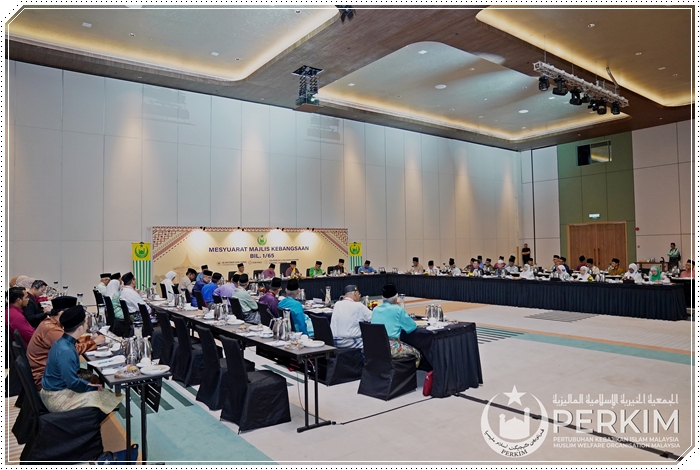
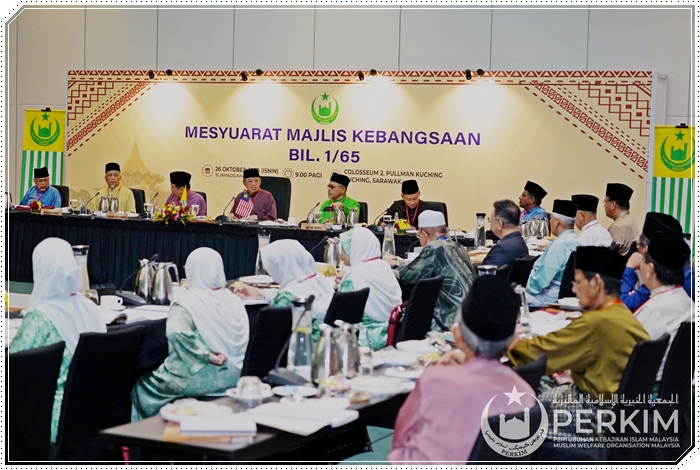
More than 50 PERKIM National Council members attend the National Council Meeting held in Kuching.
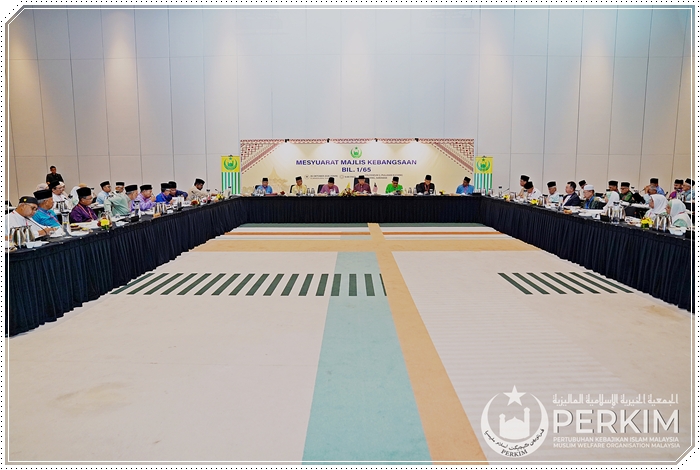
The meeting brings together PERKIM’s top leadership, National Council members and chairmen of its state divisions to deliberate on the organisation’s strategic direction, achievements and management.
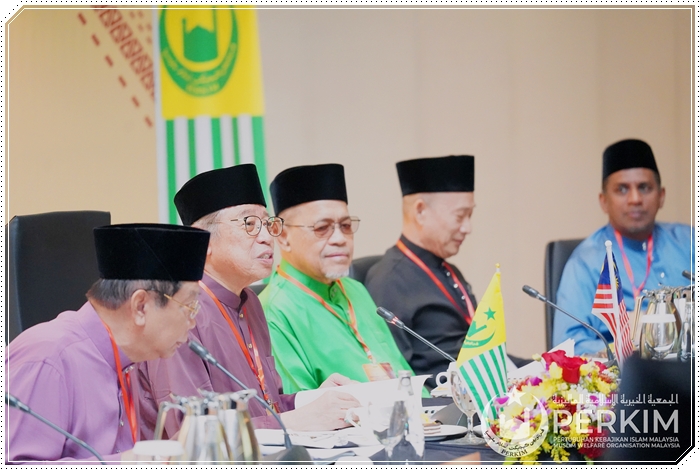
Abang Johari says developments in disruptive technologies, social media and artificial intelligence (AI) require PERKIM to strengthen its digital communication capabilities to convey accurate, authentic and easily understood Islamic teachings to the public.
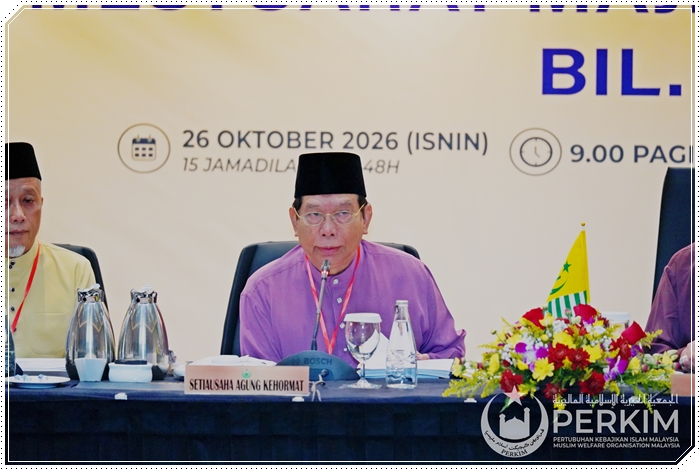
PERKIM Honorary Secretary-General, Dato’ Marzuki, presents the minutes of the previous National Council Meeting for the council members’ consideration and approval.
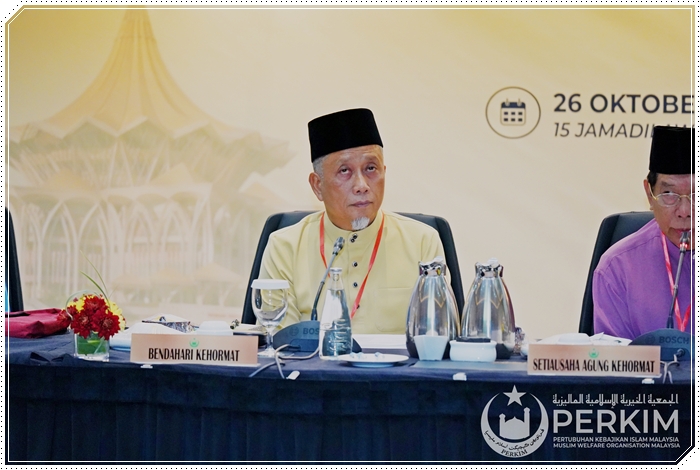
PERKIM Honorary Treasurer, Datu Mersal, presents the organisation’s latest financial report for the period ending September 30, 2026.
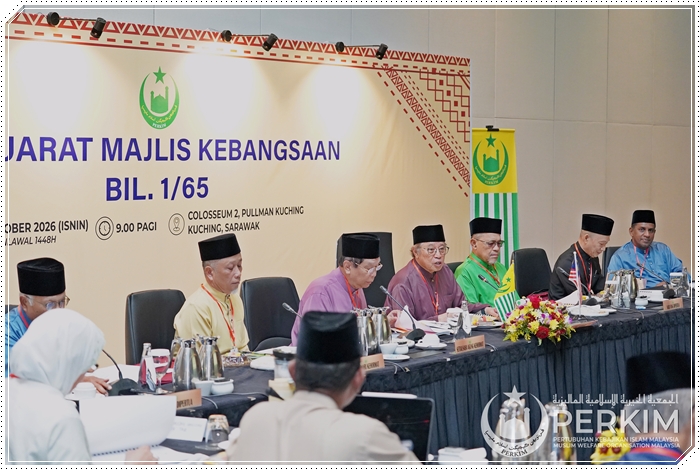
Abang Johari stresses that the welfare of new Muslims must remain a priority, as they have been among the fundamental pillars of PERKIM’s establishment and mission since its inception.
The PERKIM President also reminds leaders at national, divisional and branch levels to strengthen unity, preserve ukhuwah (brotherhood) and set aside differences in the interest of the organisation.


