PERKIM Backs RISEAP’s Efforts to Expand Da’wah Cooperation with Indonesia’s Women’s Islamic Organisation

By MOHD. SYAHRIL ROSDI AHMAD ZAHUDI
KUALA LUMPUR, NOVEMBER 24, 2026 – Da’wah cooperation between Malaysia and Indonesia continues to gain momentum, with a courtesy visit by a delegation from the Central Leadership of the Indonesian Women’s Islamic Organisation to the Regional Islamic Da’wah Council of Southeast Asia and the Pacific (RISEAP) paving the way for broader strategic collaboration in women’s development, family empowerment and the welfare of Muslim communities across the region.
The visit, held at the Seminar Hall, Level 1, PERKIM Building, here today, brought together 88 members of the Central Leadership of the Indonesian Women’s Islamic Organisation (Pimpinan Pusat Wanita Islam Indonesia), representing various provinces and districts across Indonesia.
The delegation was led by its Chairwoman, Dr Hanip Pujiati.
The delegation received a warm welcome from RISEAP Honorary Treasurer, Brigadier-General Abang Mohamad Abang Marzuki, accompanied by RISEAP Chief Executive Officer Norainidah Jayus and other members of the organisation’s leadership.
Also representing the National Muslim Welfare Organisation Malaysia (PERKIM) were Administrative Director Dr Suariza @ Hidayah Muhammad; Administrative Executive Ahmad Hasaidi Said; Da’wah Executive Ustaz Muhammad Farhan Tee Abdullah; Da’wah Executive 1 Ustaz Muhammad Jais Mariappan Abdullah; Da’wah Executive 2 Siti Munirah Sayed Mohd Hamdan; Da’wah Executive 3 Nur Syahirah Musa; Finance Executive Mohd Aizat Rosli; Deputy Finance Executive Rahman Ismail; and National PERKIM Women’s representative Siti Masliana Mohd Ariffin.
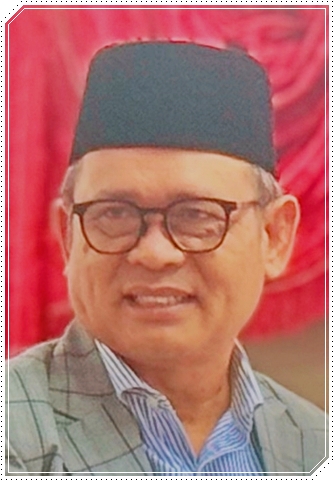
In his welcoming address, RISEAP Honorary Treasurer Brigadier-General Abang Mohamad Abang Marzuki underscored that the role of Muslim women in societal development must never be underestimated, as the strength of families and the progress of nations are intrinsically linked to the cultivation of knowledgeable, morally upright and capable women leaders.
He said women’s participation in the development of the ummah extended across multiple spheres, including education, moral upbringing, fostering love and compassion within families, healthcare, social well-being and leadership development.
He emphasised that building harmonious and resilient families must begin with education and character development from an early age, while ensuring women are equipped with the knowledge, confidence and capabilities to contribute meaningfully across different sectors of society.
Abang Mohamad further highlighted that Muslim women today were no longer confined to traditional family responsibilities but were equally capable of serving as educators, entrepreneurs, leaders and advocates of community welfare, without compromising Islamic principles, modesty and the obligation to observe aurat.
“Educated women, women in business, women in leadership and women who serve as role models in society are among the essential pillars in advancing the ummah.
“When women are morally grounded, resilient and knowledgeable, families, communities and nations will likewise prosper,” he said.
He also described the efforts of women in educating children, guiding their families, assisting the underprivileged and enhancing community well-being as invaluable contributions that carry immense charitable significance and spiritual rewards in the sight of Allah SWT.
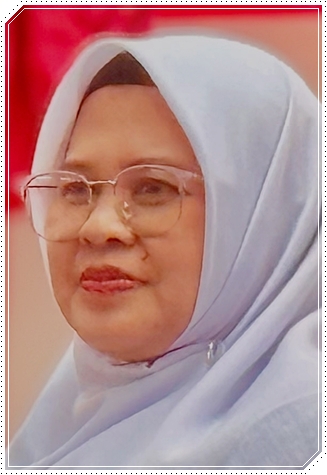
Meanwhile, Indonesian Women’s Islamic Organisation Central Leadership Chairwoman,, Dr Hanip Pujiati said the organisation, established in 1962, had since expanded its network to 30 provinces, with approximately 2.5 million members nationwide.
She said the organisation brought together women from different generations, ranging from younger members to those aged above 70, reflecting its inclusive approach towards encouraging women’s participation regardless of age.
Dr Hanip explained that the organisation’s mission was anchored on three principal priorities: strengthening family resilience, advancing women’s economic independence and contributing to the prosperity of the ummah.
She said family resilience remained a fundamental priority, given that the family institution served as the cornerstone for nurturing future generations equipped with sound education, strong religious convictions and commendable character.
At the same time, women’s economic independence was another key focus, as family well-being was closely intertwined with financial capacity and the overall stability of household life.
Dr Hanip also expressed the organisation’s readiness to broaden its cooperation with RISEAP, including mobilising human resources, da’wah workers, female religious teachers and educators to support Muslim community development programmes, particularly in countries with minority Muslim populations.
She expressed hope that the goodwill and bonds of friendship established through the visit would translate into more structured and sustainable joint initiatives in the future.
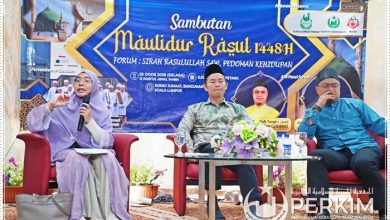
A dialogue and question-and-answer session subsequently provided an opportunity for more in-depth discussions on RISEAP’s role as a regional da’wah cooperation platform bringing together Islamic organisations from across Asia and the Pacific.
Responding to a question from the delegation on RISEAP’s membership, Abang Mohamad explained that the organisation comprised 23 member countries and two associate member countries, bringing its total membership to 25.
Its regional network spans East Asia, Southeast Asia, South Asia and the Pacific, including Japan, South Korea, Taiwan, Hong Kong, Malaysia, Indonesia, Singapore, Brunei, Thailand, the Philippines, Australia, New Zealand, Fiji and several other countries.
He explained that one of RISEAP’s principal responsibilities was to strengthen the position of Muslim communities in countries where Muslims constitute a minority, particularly through support for religious institutional development, the provision of worship facilities, education and the strengthening of da’wah networks.
Another area receiving attention was the development of halal certification systems to facilitate access to food and beverages that meet Islamic requirements for Muslims living in or travelling to these countries.
He said such initiatives extended beyond matters of slaughtering practices to encompass the entire production and preparation process, hygiene standards and compliance with the ingredients used in food products.
Abang Mohamad also reaffirmed RISEAP’s openness to working alongside the Indonesian Women’s Islamic Organisation in implementing da’wah and welfare programmes, including in areas with minority Muslim communities, while remaining sensitive to local social dynamics and the importance of preserving interfaith harmony.
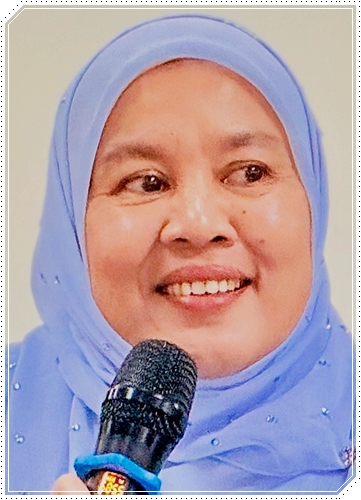
During the session, PERKIM Administrative Director Dr Suariza @ Hidayah Muhammad also briefed the delegation on the organisation’s establishment, history and role as an Islamic welfare organisation founded by Malaysia’s first Prime Minister, the late Tunku Abdul Rahman Putra Al-Haj.
She explained that PERKIM’s establishment was closely associated with efforts to expand Islamic outreach in Malaysia, particularly through providing guidance and support to converts to Islam and the non-Muslim community.
Suariza noted that PERKIM was established three years before RISEAP, highlighting the close relationship between the two organisations, which she likened to siblings working hand in hand to advance the Islamic da’wah agenda at regional and international levels.
The strategic relationship has continued to strengthen, with PERKIM and RISEAP now sharing the same top leadership, namely YAB Datuk Patinggi Tan Sri (Dr) Abang Haji Abdul Rahman Zohari Tun Datuk Abang Haji Openg as President, and YBhg Dato’ Dr Haji Mohamad Marzuki Mohamad Omar as Honorary Secretary-General.
She said PERKIM continued to pursue its five principal objectives, encompassing da’wah, education, welfare, cooperation and other related initiatives, through various programmes aimed at enhancing public understanding of Islam and providing guidance to new Muslims.
She also welcomed opportunities to collaborate with the Indonesian Women’s Islamic Organisation, particularly in Islamic education, convert development and community welfare initiatives that could be jointly implemented.
The discussions also explored the Indonesian organisation’s experience in managing convert welfare in regions with minority Muslim populations, including the establishment of Quran centres, religious guidance classes and assistance for new Muslims facing family-related challenges and difficulties adjusting to life after embracing Islam.
In another highlight, Abang Mohamad shared RISEAP’s approach to nurturing future Muslim leaders through face-to-face leadership development programmes, typically conducted over five to seven days.
The programmes focus on building personal identity, fostering a sense of responsibility, strengthening leadership skills and deepening participants’ understanding of the role of Muslim leaders in society.
He stressed that leadership should not be confined to positions within organisations or the administration of a country, but must begin with the most fundamental responsibility of all – leading oneself and one’s family.
In this regard, he described Prophet Muhammad SAW as the finest model of leadership, whose example should guide Muslims in cultivating integrity, noble character and a strong sense of responsibility.
Also contributing to the knowledge-sharing session was Dr Fatin Nur Majdina Nordin, Vice-President of Women’s Affairs of the Malaysian Islamic Youth Movement (HELWA ABIM), who introduced the organisation’s role in advancing women’s development, strengthening families and promoting social well-being through various educational, protection and community counselling initiatives.
Her presentation further highlighted the potential for greater collaboration among Islamic organisations across the region in strengthening women’s development networks, particularly in addressing family-related issues, mental health, women’s protection and youth development.
The courtesy visit reflected the shared commitment of RISEAP, PERKIM and the Indonesian Women’s Islamic Organisation to expanding mutual understanding and strengthening cross-border da’wah cooperation.
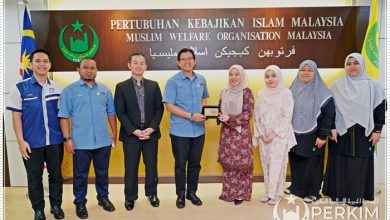
At the conclusion of the visit, Abang Mohamad presented a RISEAP appreciation plaque to Dr Hanip, who reciprocated by presenting a commemorative plaque to Abang Mohamad, witnessed by Norainidah and Dr Suariza.
The programme concluded with a group photography session, followed by a luncheon.
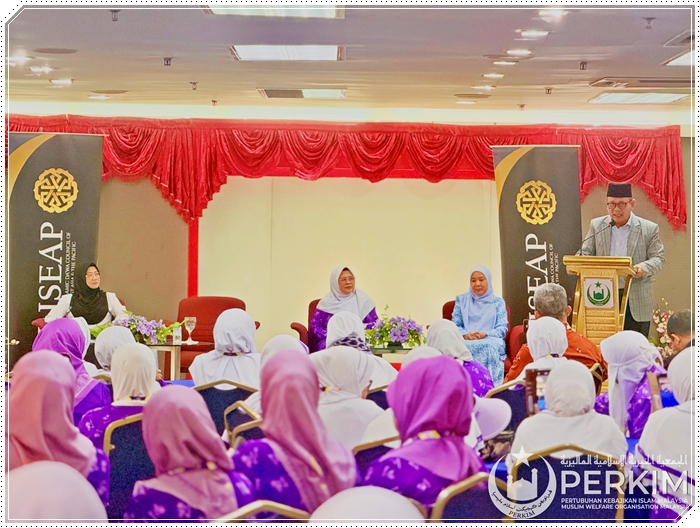
RISEAP Treasurer Abang Mohamad warmly welcomed the 88-member delegation from the Central Leadership of the Indonesian Women’s Islamic Organisation upon their arrival in Kuala Lumpur.
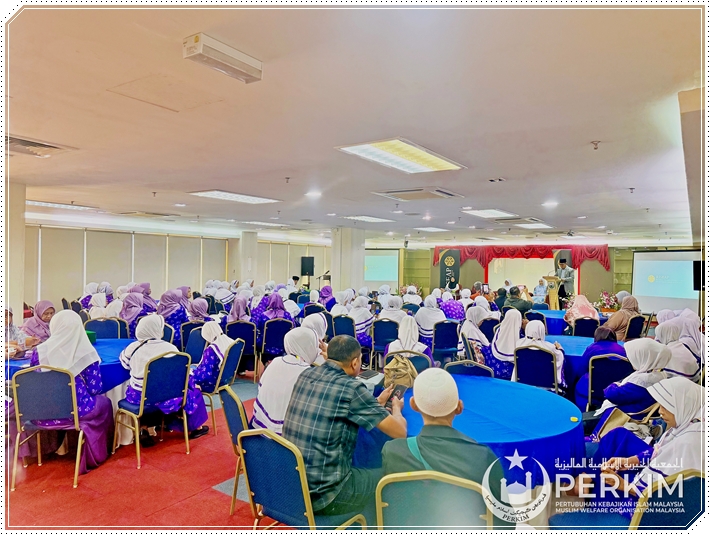
Abang Mohamad emphasised that women’s participation in the development of the ummah spans various fields, including education, character building and nurturing love and compassion within the family.
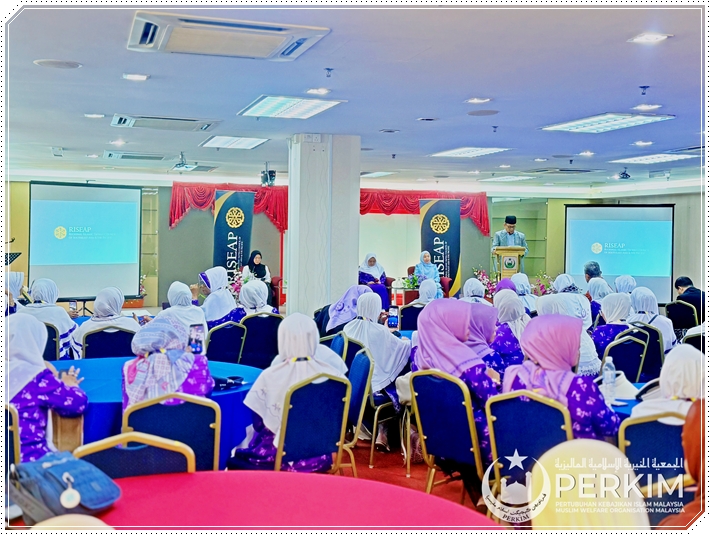
Abang Mohamad highlighted that Muslim women today are not merely entrusted with responsibilities within the family, but are equally capable of serving as educators, entrepreneurs and leaders.
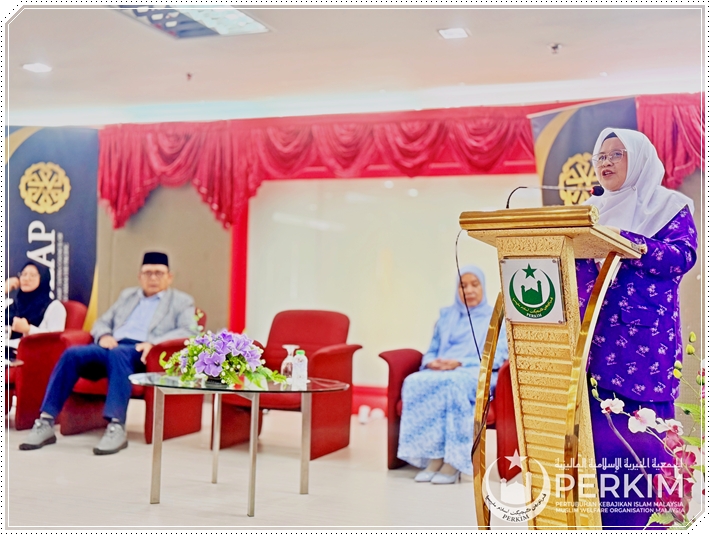
Dr Hanip outlined three key priorities underpinning the organisation’s mission: strengthening family resilience, advancing women’s economic empowerment and contributing to the advancement of the ummah.
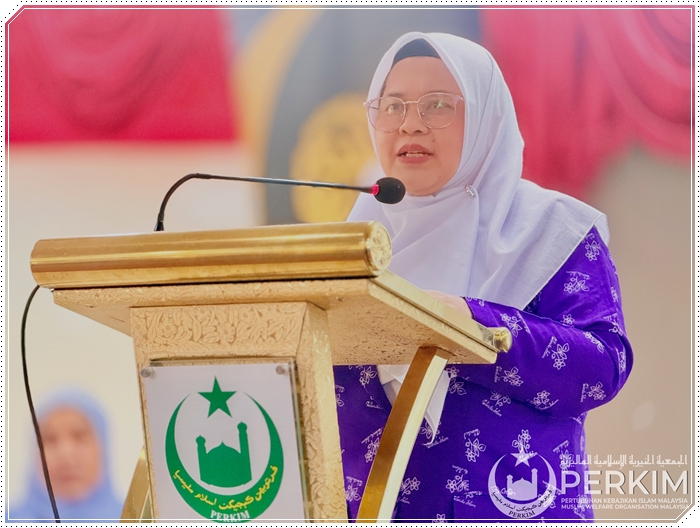
Dr Hanip expressed the Indonesian Women’s Islamic Organisation’s readiness to expand its collaboration with RISEAP, including through the mobilisation of human resources and da’wah personnel.
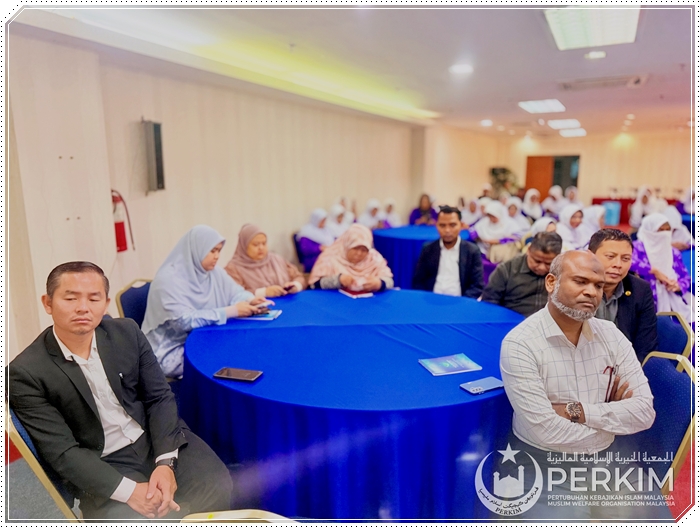
PERKIM executives in attendance demonstrating their support for the engagement.
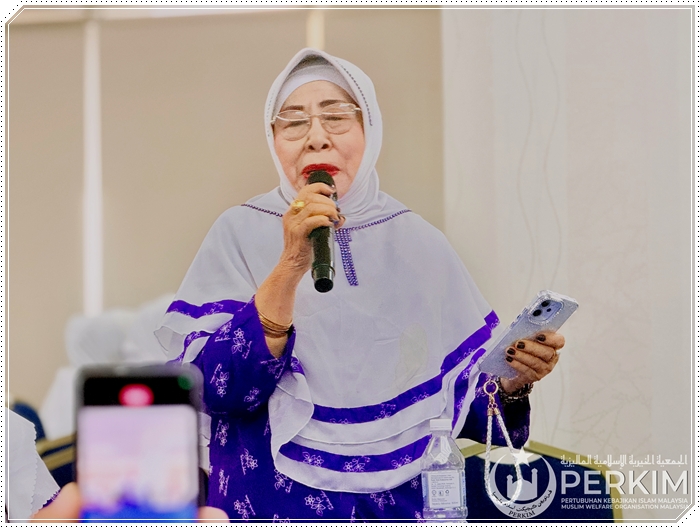
A member of the Central Leadership of the Indonesian Women’s Islamic Organisation poses a question during the interactive session.
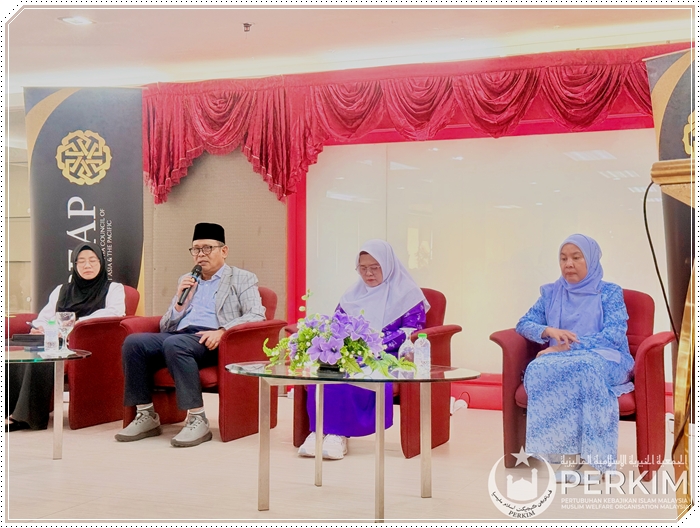
Abang Mohamad responds to questions raised by members of the Indonesian Women’s Islamic Organisation.
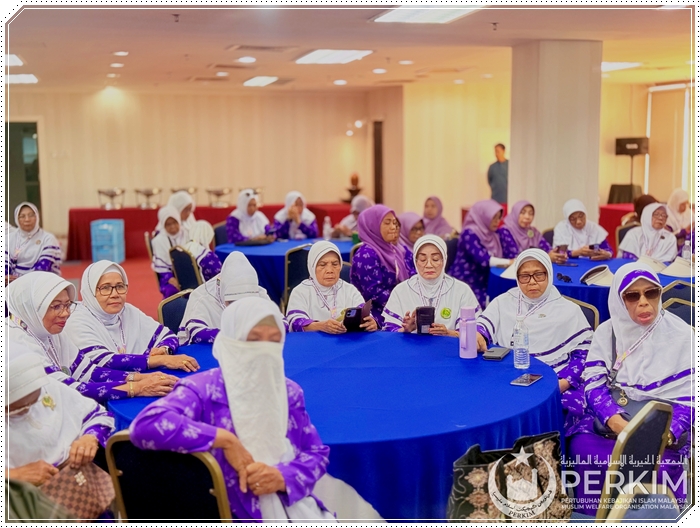
Members of the Central Leadership of the Indonesian Women’s Islamic Organisation representing various provinces across Indonesia.
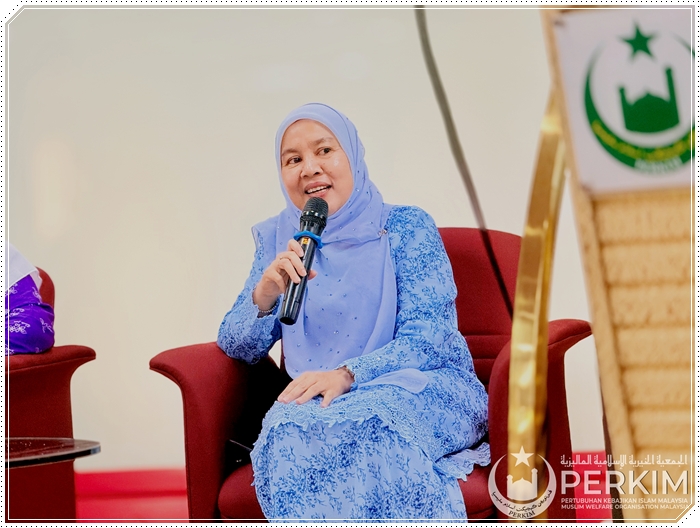
Dr Suariza explains that PERKIM was established three years before RISEAP, highlighting the close relationship between the two organisations, which she likened to that of siblings.
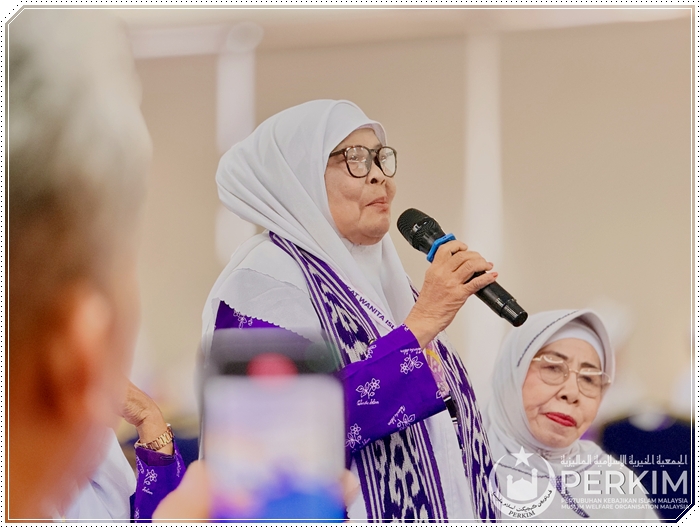
Members of the Indonesian Women’s Islamic Organisation raise several questions during their engagement with the RISEAP leadership.
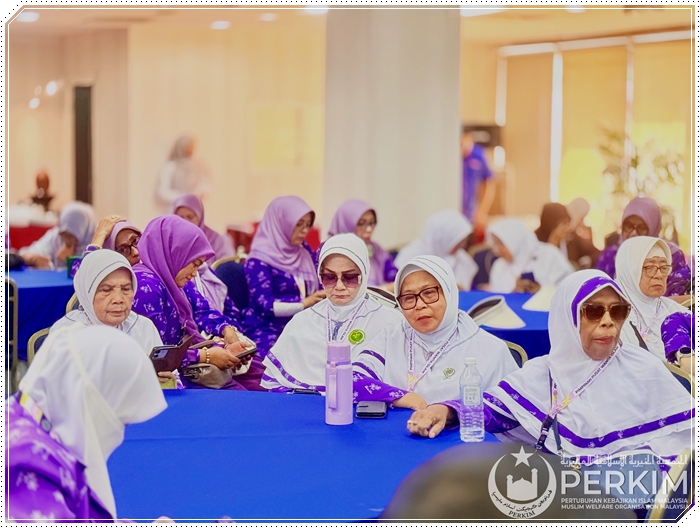
Members of the Indonesian Women’s Islamic Organisation attentively listen to the information and insights shared during the session.
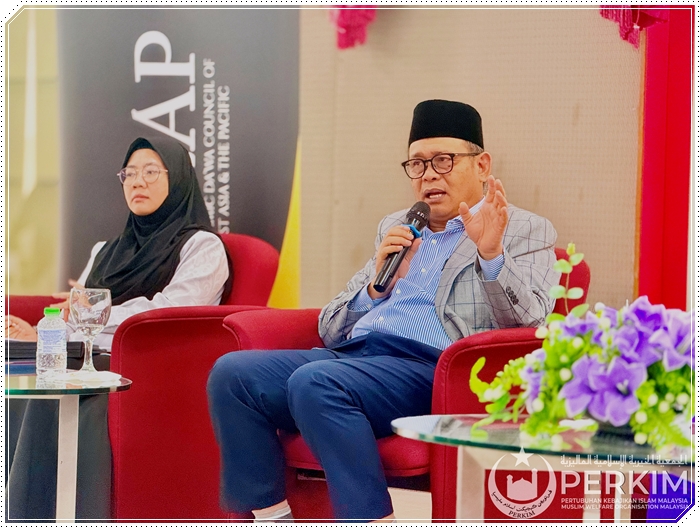
Abang Mohamad shares RISEAP’s distinctive approach to nurturing and developing the leadership potential of the younger generation.
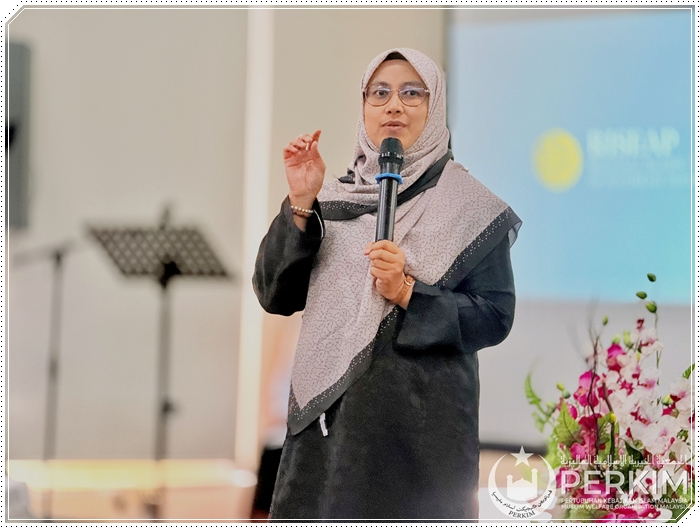
Dr Fatin Nur Majdina Nordin, Vice-President of HELWA ABIM, shares insights into the potential for collaboration among Islamic organisations across the region to strengthen women’s development networks, including initiatives to address family-related issues and other social concerns.
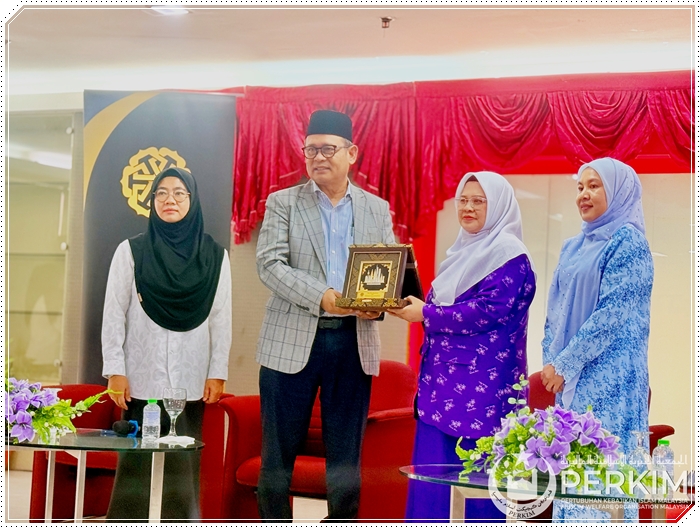
Abang Mohamad presents a RISEAP commemorative plaque to Dr Hanip as a gesture of appreciation.
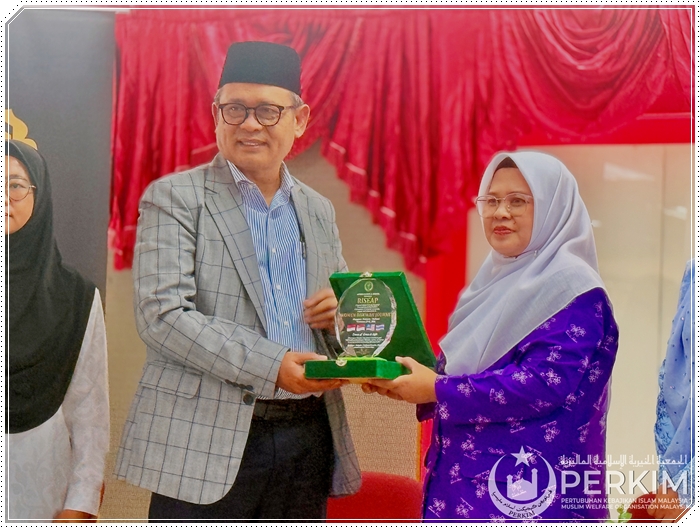
Dr Hanip reciprocates by presenting a commemorative plaque to Abang Mohamad.
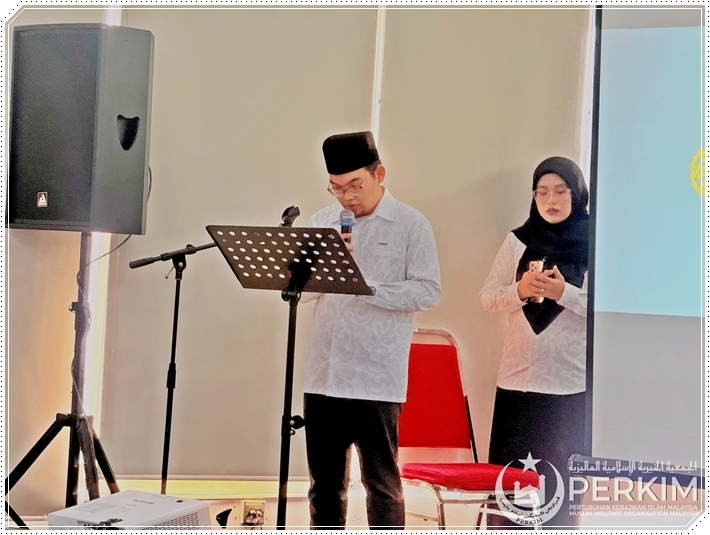
Amin Soleh leads the closing prayer.
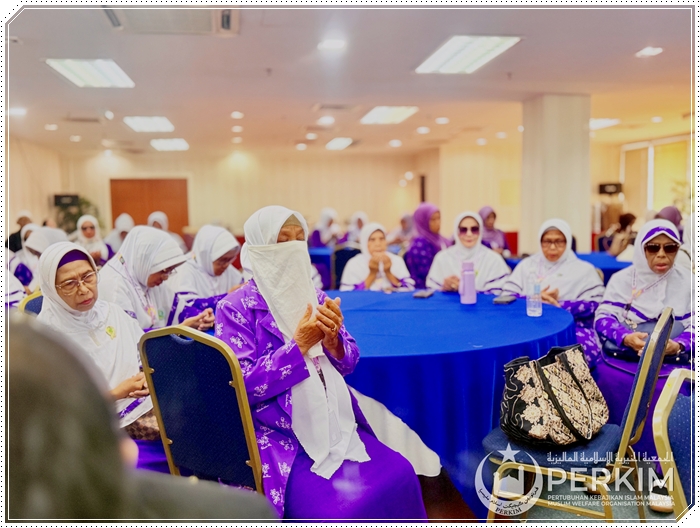
Members of the Indonesian Women’s Islamic Organisation raise their hands in prayer, solemnly responding with “Amin” (Ameen).
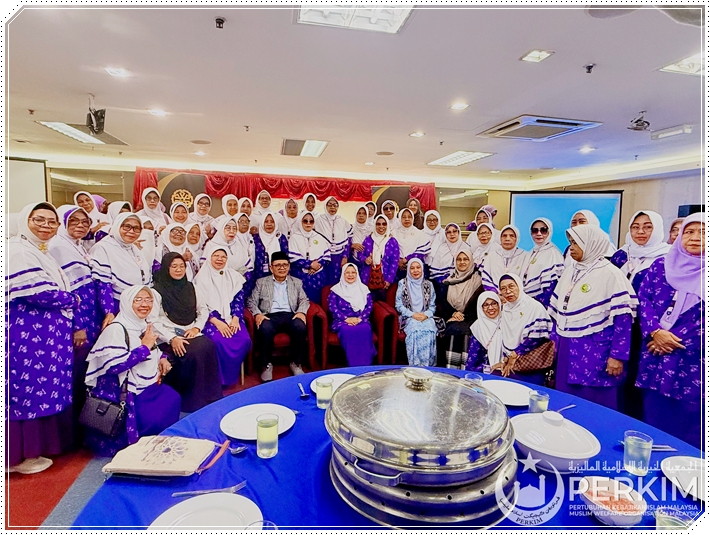
Members of the Indonesian Women’s Islamic Organisation pose for a commemorative group photograph with the RISEAP and PERKIM leadership at the conclusion of the courtesy visit.
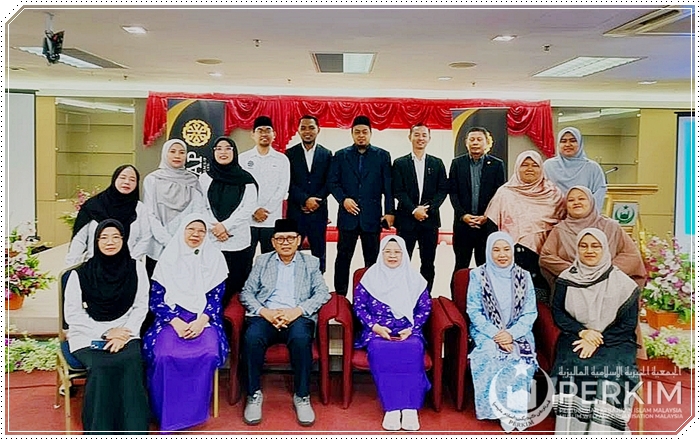
PERKIM and RISEAP executives take the opportunity to pose for a group photograph with the distinguished guests.