Mahabbah Pulau Ketam Programme Raises Awareness on Health, Welfare and Community Unity

by: MOHD SYAHRIL ROSDI AHMAD ZAHUDI
KLANG, SEPTEMBER 5, 2026 — The second day of the Mahabbah Komuniti Masyarakat Majmuk Cina Pulau Ketam programme placed a strong emphasis on health awareness, community welfare and strengthening ties between local residents and members of the Muslim Welfare Organisation Malaysia (PERKIM).
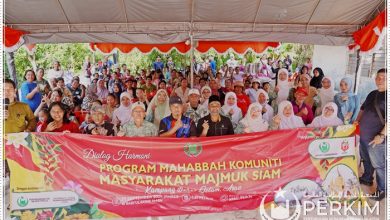
Jointly organised by PERKIM National and the Federal Territories Islamic Religious Council (MAIWP), the programme was held at the Pulau Ketam Community Hall in Klang, Selangor.
More than 50 villagers took part in a health awareness session entitled “Awareness of Chronic Kidney Disease”, delivered by Pulau Ketam Health Clinic Community Nurse Azizah Zakaria, with Mandarin interpretation provided by PERKIM National Secretariat officer Ustaz Sulaiman Ding Yu Zhong.

During the session, Azizah explained the vital functions of the kidneys, including filtering waste and toxins from the blood, removing excess water through urine, helping regulate blood pressure, and supporting the production of red blood cells and maintaining healthy bones.
She also explained that chronic kidney disease (CKD) occurs when kidney function progressively and persistently deteriorates for more than three months.
In its early stages, CKD often causes little or no pain and may not present obvious symptoms, earning it the reputation of being a “silent killer”.
Among the key risk factors highlighted were diabetes, high blood pressure, excessive consumption of painkillers without medical advice, as well as the use of unregistered traditional medicines or supplements.
Azizah further cautioned that end-stage kidney failure could require long-term dialysis or a kidney transplant, while also increasing the risk of heart disease and stroke, anaemia and bone-related complications.
Sulaiman Ding, meanwhile, highlighted the importance of maintaining a healthy diet, avoiding practices that could harm one’s health, and understanding that Islamic teachings also provide guidance on what may and may not be consumed or practised.
Among those involved in the programme were PERKIM National Secretariat personnel Mohd Aizat Rosli, Hashimah Hashim, Azura Abdul Rahman, Rohaiza Mohd Tan, Fatin Akmal Aksah, Mu’alish Shah Mohd Anuar, Muhammad Aidil Aqel Mohd Yusoff and Muhammad Faiz Hasnain Lokman.
PERKIM Selangor State Division was represented by Ustaz Mohd Yusoff Haji Ahmad, Muhammad Hizam Abdul Rahim, Haji Mohd Subki Abdul Rahman and Hajah Umaizah Abdullah, together with several volunteers.

Programme coordinator Ustaz Muhammad Jais Mariappan Abdullah said the Mahabbah Komuniti Masyarakat Majmuk Cina Pulau Ketam programme was not merely about extending assistance to those in need, but also served as a platform for PERKIM to engage more closely with the community and build meaningful, sustainable relationships.
He said grassroots outreach was crucial in understanding the realities of local communities, particularly those living on islands whose social, cultural and economic circumstances were shaped by their unique surroundings.
Ustaz Jais Mariappan said the programme, organised with the cooperation of PERKIM Selangor State Division, PERKIM Klang Branch, Balai Islam Pulau Ketam and the Bagan Pulau Ketam Village Development and Security Committee (JPKK), featured health talks, welfare visits and recreational activities.
He said the holistic approach reflected a shared commitment to social responsibility while strengthening mutual understanding between Muslims and non-Muslims through the spirit of mahabbah, compassion and mutual respect.
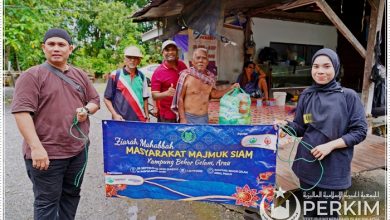
Following the health awareness session, the PERKIM delegation proceeded with a ziarah mahabbah to five homes, where food aid packages were distributed and the families personally engaged.
Each food package contained essential household items such as rice, cooking oil, biscuits, flour, instant noodles, vermicelli, coffee, canned milk and sardines, as well as body wash and cleaning soap.
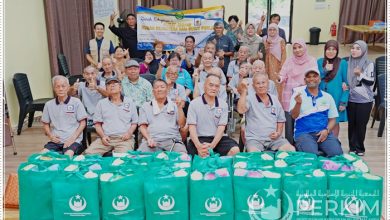
Apart from the five families visited, another 45 villagers received food packages distributed at the Pulau Ketam Community Hall.
Poor asnaf recipients and new converts (mualaf) also benefited from food packages sponsored by MAIWP.
The organising team’s commitment to ensuring that no one was left behind was further demonstrated when aid packages were delivered by electric motorcycles to several residents who were unable to attend the community hall to receive the assistance.
In the afternoon, the programme took on a livelier atmosphere as villagers and visitors from outside the island participated in a range of recreational games designed to encourage interaction, camaraderie and friendship regardless of background.
For adults, the activities included musical chairs, carrying ping-pong balls with spoons, threading a needle and a paper-tearing competition to produce the longest strip.
Children competed in musical chairs, carrying ping-pong balls with spoons, a paired running race with their legs tied together, and a competition to blow up the largest balloon.
Laughter and cheers from participants and supporters filled the venue throughout the competitions, transforming the programme into a relaxed setting where residents and the PERKIM delegation could interact in a warm, family-oriented atmosphere.
Prizes were subsequently presented to the winners by the organising team in recognition of their participation and sporting spirit.
Meanwhile, Pulau Ketam resident Lee Ching Tian, 59, (not his real name) said the uniqueness of Pulau Ketam lay not only in its identity as a fishing village, but also in the way its community had developed within a mangrove island environment shaped by tidal conditions.
He said many houses and premises on the island were built on stilts to accommodate the tides, while movement within the village relied largely on pedestrian walkways, bridges, electric motorcycles and bicycles.
According to him, island life remained closely connected to marine resources, including fishing, cage fish farming and seafood processing, alongside tourism activities that were increasingly drawing visitors from outside the island.
“Pulau Ketam has its own way of life. People here are accustomed to living closely with the sea and the fishing industry. That is why programmes like this are so meaningful, as they allow people from outside to see our way of life for themselves while strengthening ties with the local community,” said Lee Ching.
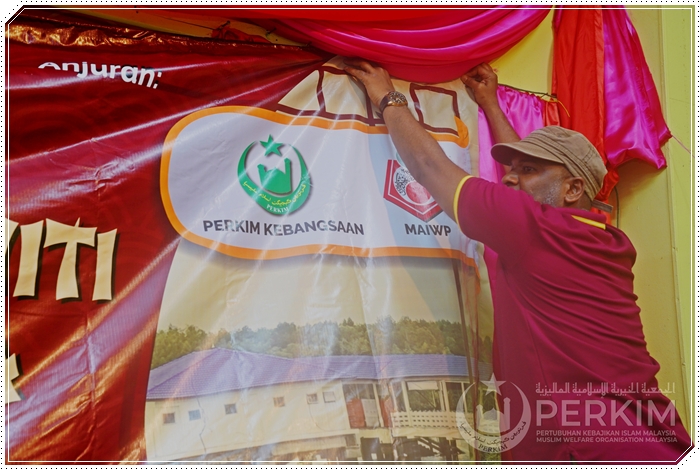
The organising team installs the backdrop for the Dialog Harmoni programme, which is scheduled to take place the following day.
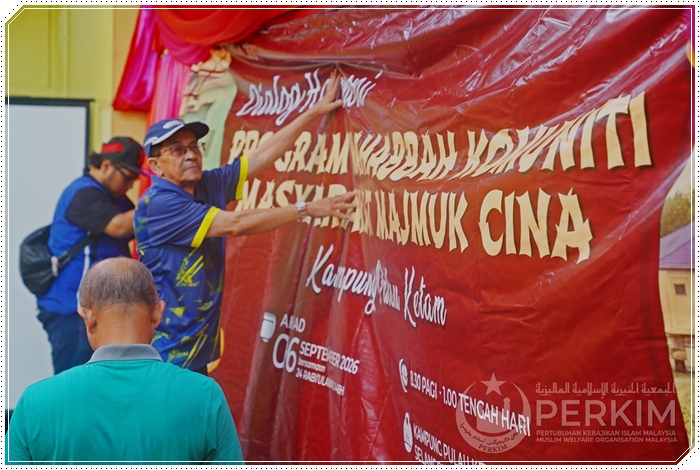
The organising team works tirelessly to install the backdrop for the Dialog Harmoni programme at the Pulau Ketam Community Hall.
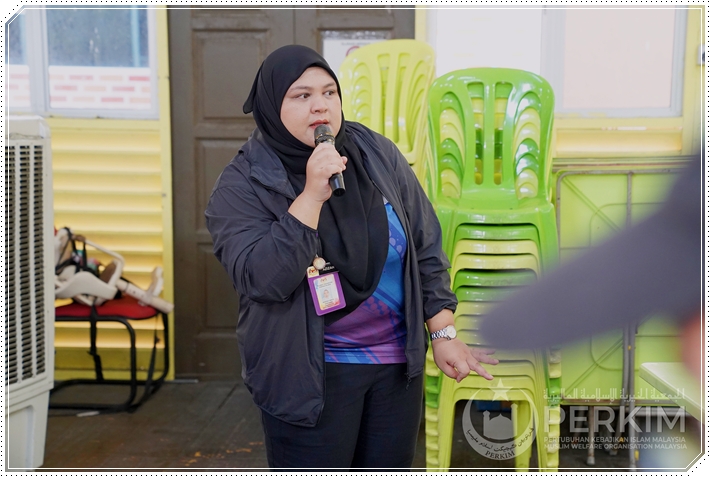
Pulau Ketam Community Nurse Azizah Zakaria delivers a health awareness talk entitled “Awareness of Chronic Kidney Disease.”
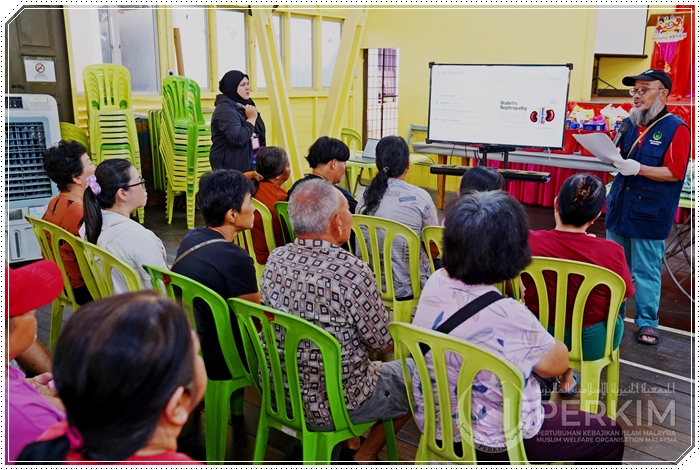
Sulaiman Ding (right) translates Azizah’s health talk into Mandarin.
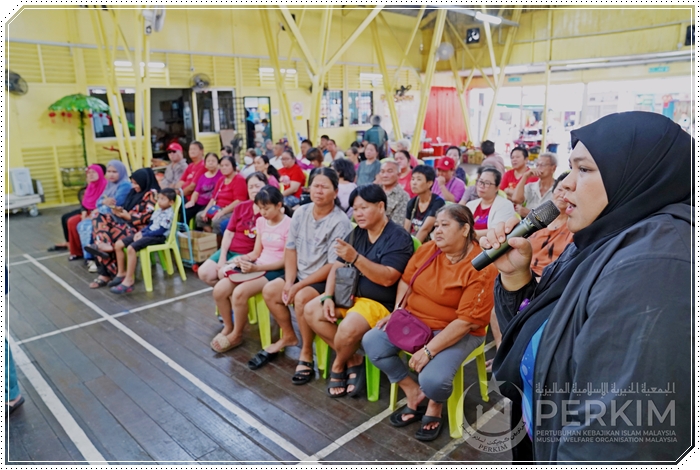
According to Azizah, among the key risk factors for chronic kidney disease are diabetes, high blood pressure, excessive use of painkillers and the consumption of unregistered medicines.
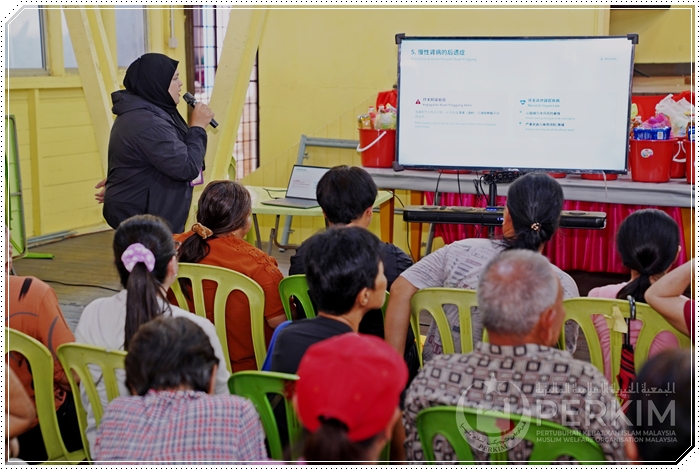
Azizah also stresses that end-stage kidney failure may require ongoing dialysis treatment or a kidney transplant.
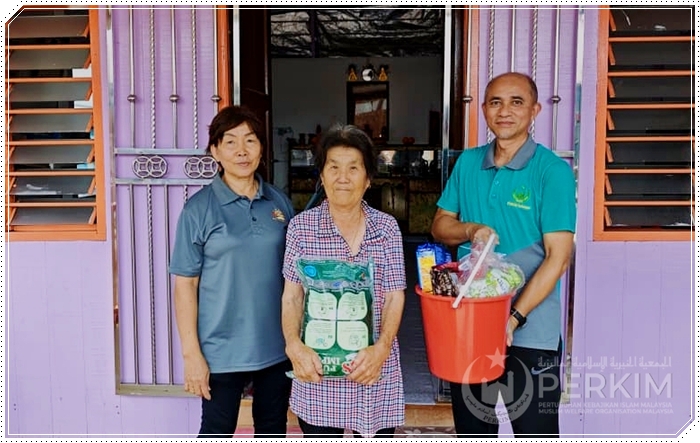
Yusoff (right) presents a food aid package to a Pulau Ketam resident during a welfare visit.
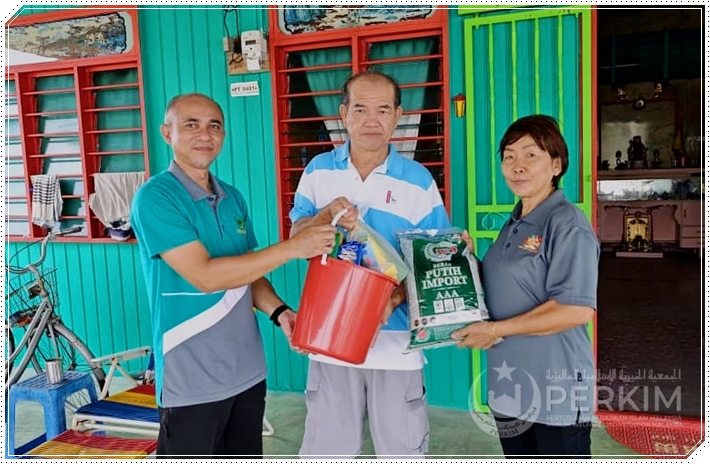
Pulau Ketam residents receive food aid packages sponsored by MAIWP and presented by Yusoff.
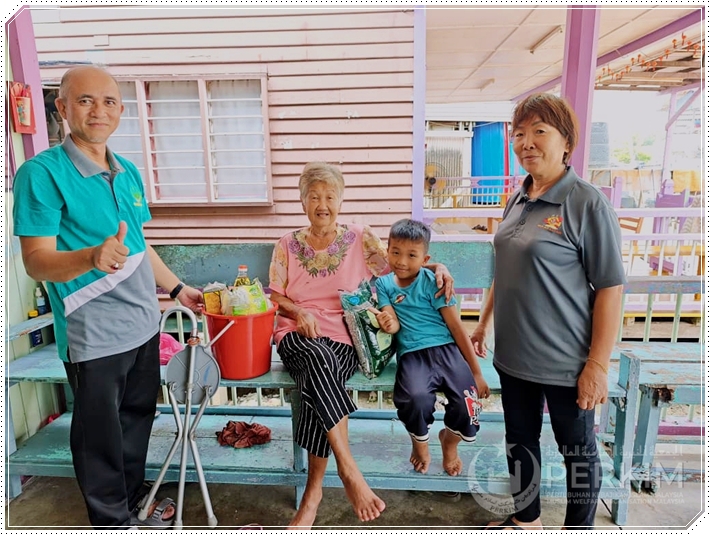
Each food aid package contains essential daily necessities, including rice, cooking oil, biscuits, flour, instant noodles, vermicelli, coffee, canned milk and sardines, as well as body wash and cleaning soap. The packages are distributed to Pulau Ketam residents by Yusoff.
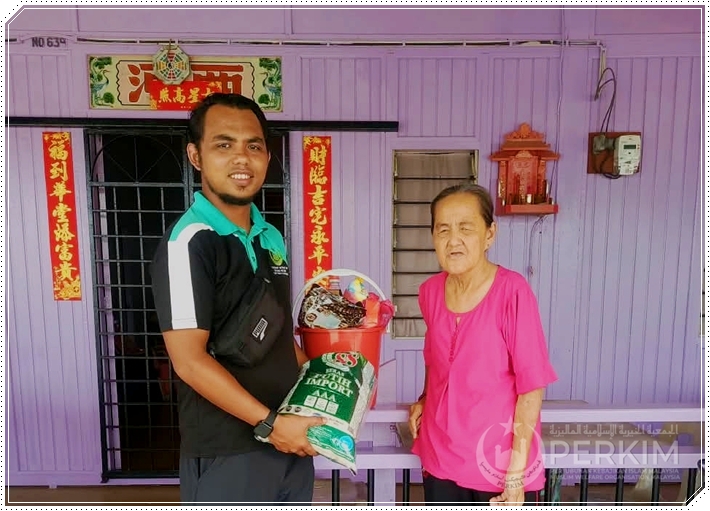
Aizat presents a food aid package while visiting members of the Chinese community in Pulau Ketam.
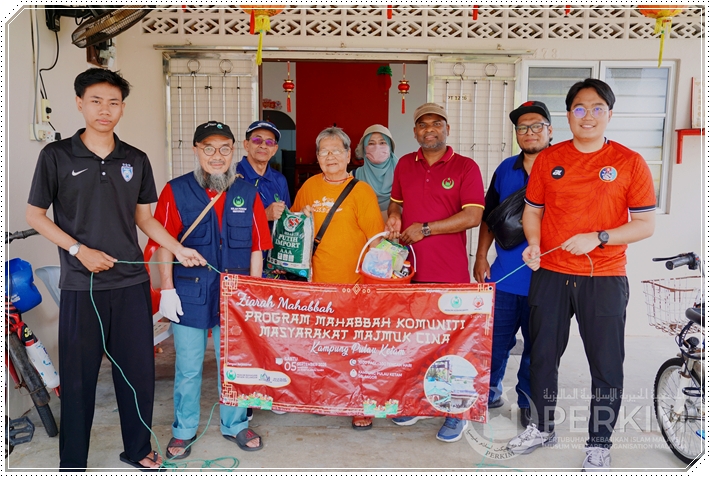
Jais Mariappan, together with members of the organising team, distributes food packages containing essential daily necessities to the Pulau Ketam village community.
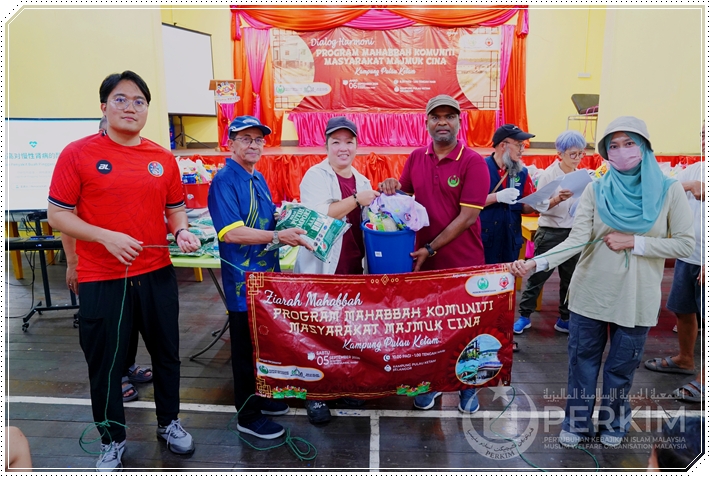
Jais Mariappan presents food packages containing essential daily necessities to villagers at the Pulau Ketam Community Hall.
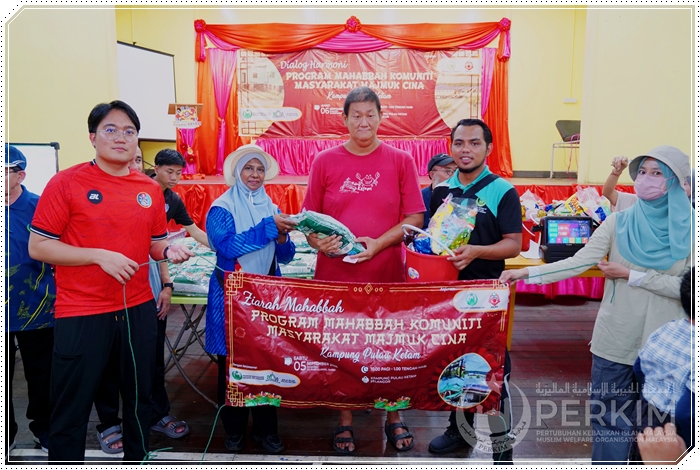
Aizat Rosli and Hajah Umaizah present food aid packages to Pulau Ketam residents.
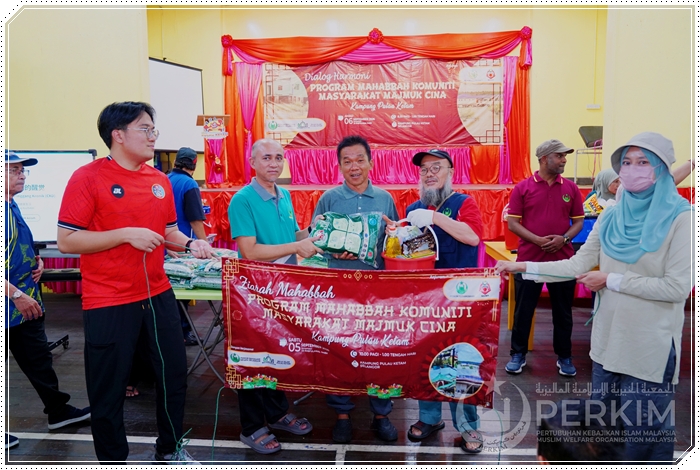
Villagers receive food aid packages from Yusoff and Sulaiman Ding.

Anas, Jais and Aizat prepare to deliver essential supplies to the homes of villagers.
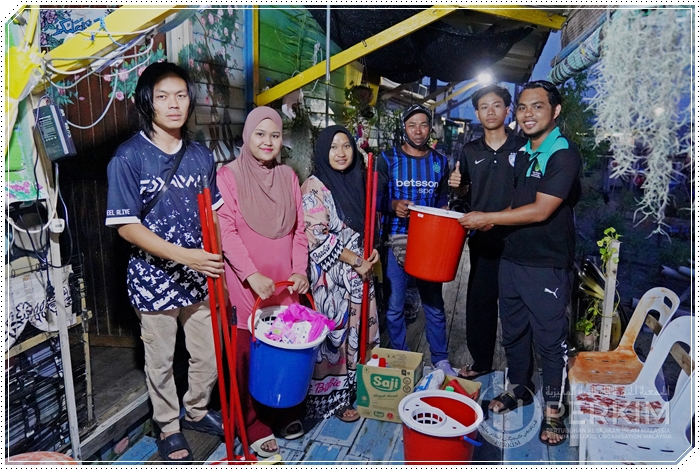
Aizat Rosli delivers food and essential items to the Muslim minority residents of Pulau Ketam.
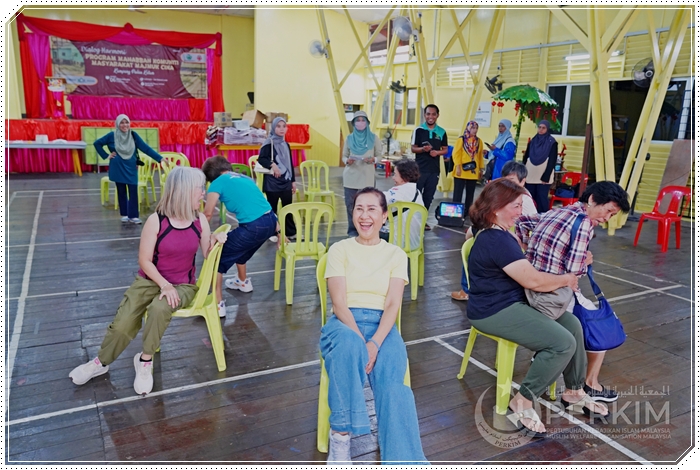
The musical chairs competition proves to be one of the popular recreational activities among adult participants.
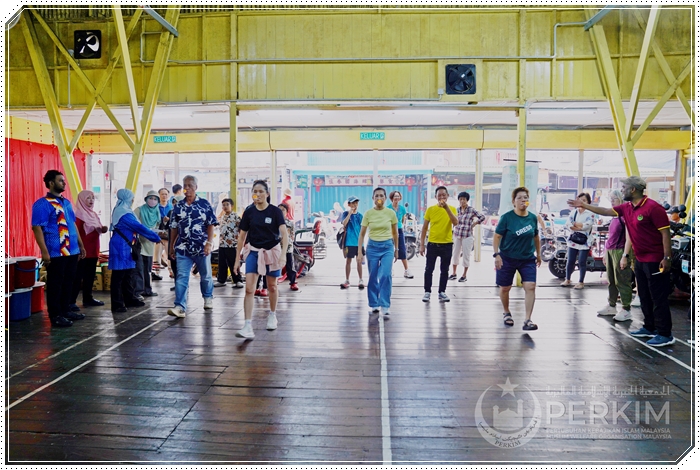
Adult participants race to carry ping-pong balls using spoons in the recreational competition.
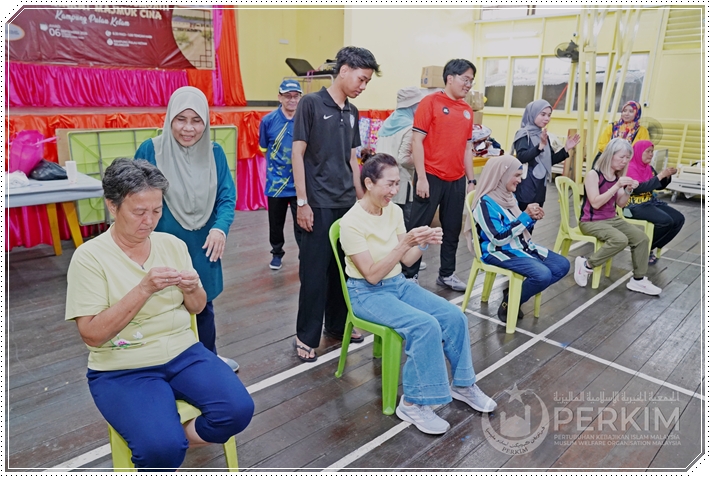
The threading-the-needle challenge is among the most demanding recreational activities.
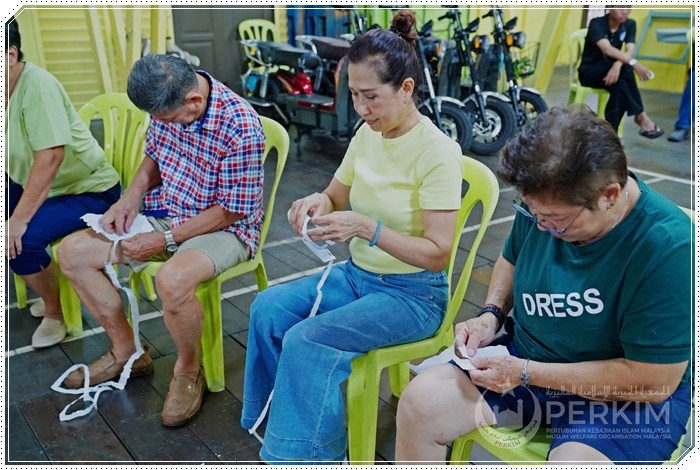
Participants take part in a paper-tearing challenge, competing to create the longest strip of paper.
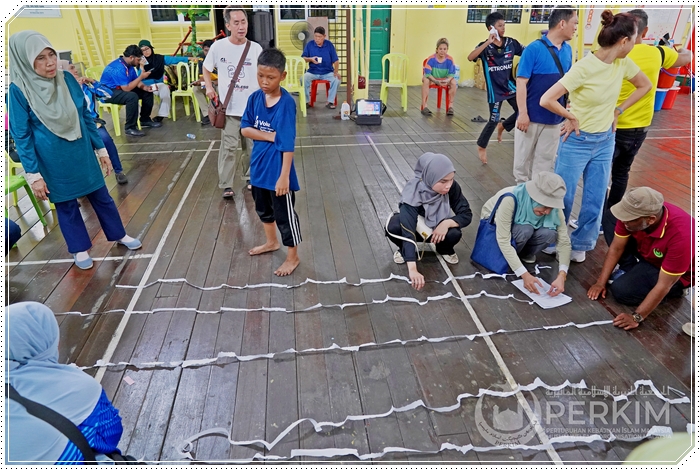
Members of the organising team assess and measure the longest strips of paper produced by the participants.
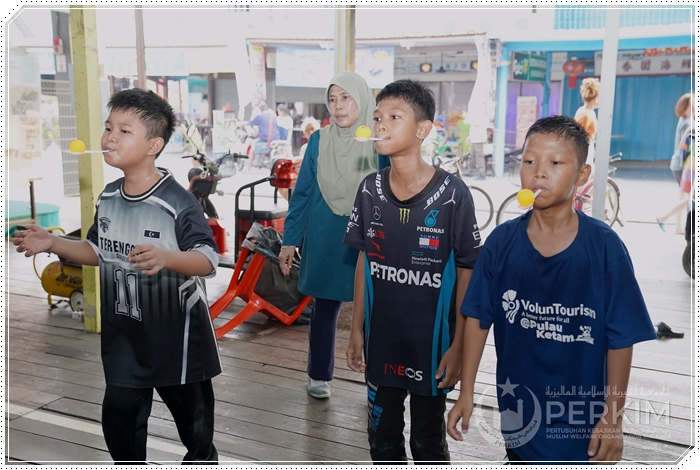
Children take part in a challenge to carry ping-pong balls using spoons.
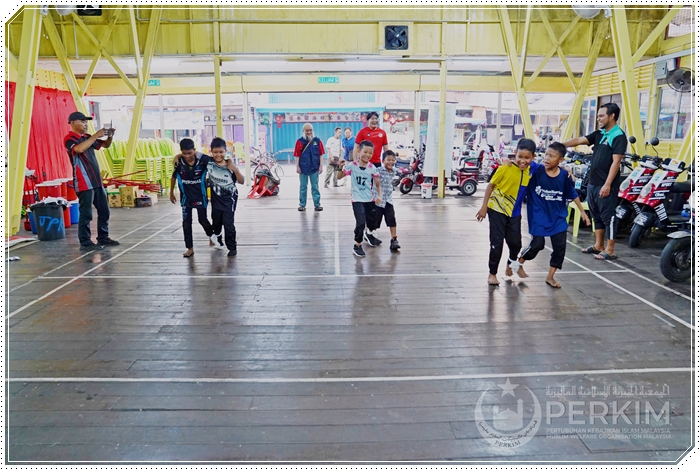
Child participants compete in a three-legged race.
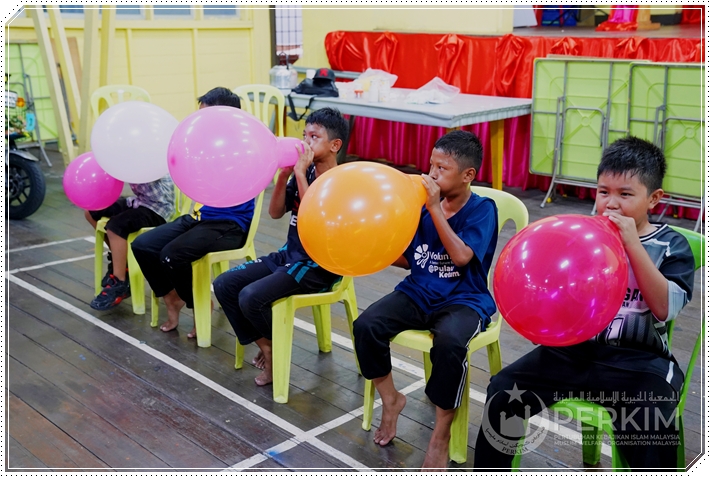
Children put their lungs to the test as they compete to blow up the biggest balloon.
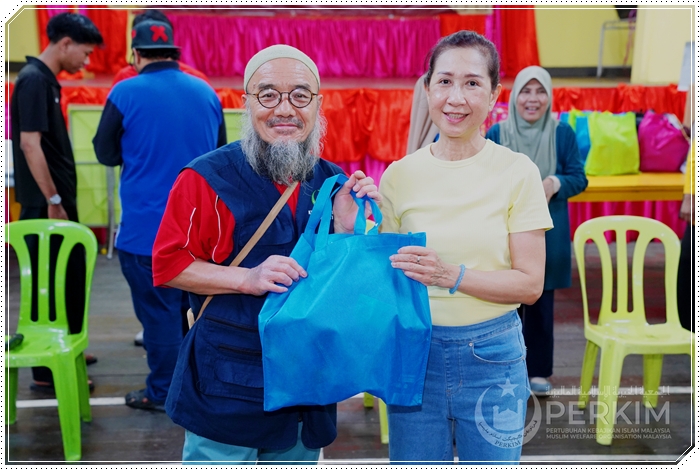
Sulaiman Ding presents prizes to the winners of the recreational games.
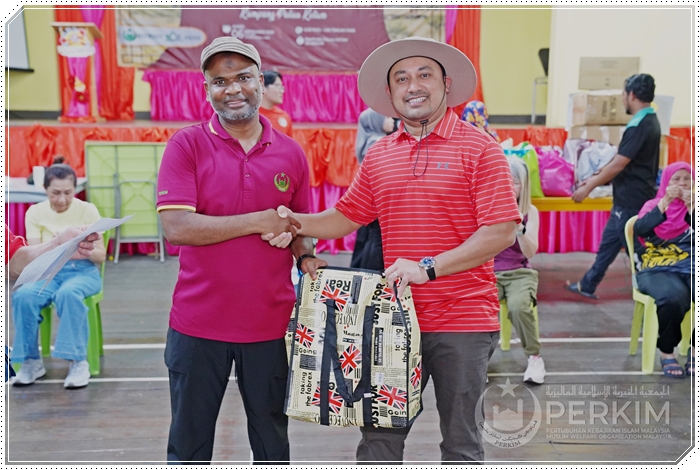
The winners receive their prizes from Jais Mariappan.