PERKIM-MAIWP Empower 30 Female Converts With Practical Fiqh Knowledge

by MOHD. SYAHRIL ROSDI AHMAD ZAHUDI
KUALA LUMPUR, SEPTEMBER 18, 2026 – A total of 30 female converts from diverse ethnic and national backgrounds took part in the sixth instalment of the Intensive Women’s Fiqh Course, jointly organised by the Muslim Welfare Organisation Malaysia (PERKIM) National and the Federal Territories Islamic Religious Council (MAIWP) at the Seminar Hall, Level 1, PERKIM Building, Jalan Sultan Azlan Shah, here, yesterday.
The participants comprised Chinese, Indian, Punjabi, Iban, Kadazan, Murut and Bidayuh converts, as well as nationals of the Philippines, Thailand and Indonesia.

Programme coordinator, Fatin Hamizah Ismail said the sixth instalment continued the efforts of PERKIM National and MAIWP to provide practical, relevant Islamic knowledge that reflects the realities of converts’ daily lives, particularly in understanding rulings relating to women.
She said the series-based approach enabled participants to develop their understanding of fiqh progressively, covering not only the fundamentals of worship but also family life, personal care, financial transactions, beauty and contemporary issues requiring thoughtful consideration in the light of Islamic jurisprudence.
“This knowledge is important to ensure that female converts have a sound foundation when making decisions in their daily lives, particularly when confronted with new questions influenced by technological developments, social changes and contemporary trends.
“Fiqh must also be understood within the context of real-life situations so that decisions can be assessed according to genuine needs, public benefit and the guidance of Shariah, rather than being driven solely by personal preferences or external influences,” she said.
Fatin Hamizah said the six courses conducted this year covered the following topics: Series 1, Women’s Fiqh of Worship; Series 2, Women’s Fiqh of Purification; Series 3, Fiqh of Marriage; Series 4, Fiqh of Women’s Aurat and Adornment; Series 5, Women’s Fiqh of Finance and Transactions and Series 6, Women’s Fiqh and Contemporary Issues.
The programme began with an opening address by Nur Syahirah Musa, followed by a prayer recitation led by Norlailialpin Suratman.
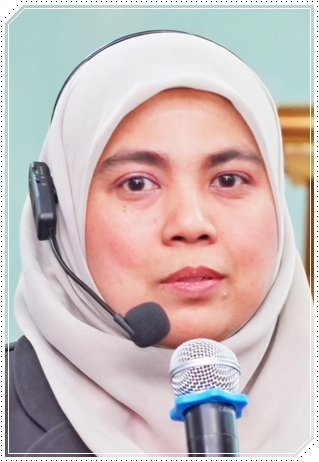
The first session, titled “Women’s Fiqh and Contemporary Issues: Guiding Muslim Women in Understanding Shariah”, was delivered by Salina Marhamah Shamsuddin, a Syarie lawyer at Tetuan Salina Marhamah.
The session explored a range of issues relevant to Muslim women today, particularly the distinction between needs and wants, as well as Islamic rulings concerning physical alterations.
Salina explained that decisions made by Muslim women should not be driven solely by personal desires, prevailing preferences or social influences. Instead, they should be guided by knowledge, sound intentions and the principles of Shariah.
One of the key areas discussed was the distinction between hajah (necessity) and raghbah (desire).
Hajah refers to something whose absence may cause genuine hardship or harm, while raghbah relates more to something desired for comfort, social status or conformity with trends, without causing harm if it is not pursued.
She said understanding this distinction was essential because Shariah places emphasis on safeguarding the fundamental necessities of life and alleviating hardship, while also allowing room for personal adornment within prescribed limits.
These principles can be applied to everyday decisions involving clothing, beauty treatments and healthcare.
Observing the requirements of aurat, or the parts of the body that must be covered under Islamic law, is a religious obligation, she explained, whereas pursuing expensive brands or the latest fashion trends is a different matter.
Similarly, treatment for a painful skin condition must be distinguished from procedures undertaken solely to alter facial features.
Intention is also an important consideration in assessing an action, as seeking to maintain one’s health is different from pursuing praise or merely imitating particular cultures and trends.
The discussion also examined Islamic rulings on physical alterations, including bariatric surgery, liposuction, rhinoplasty, plastic surgery, cosmetic treatments and beauty procedures.
Bariatric surgery, for instance, was discussed as permissible when undertaken to treat critical obesity or metabolic diseases, following the advice of a medical specialist and in circumstances where it serves to protect life after other measures have proved unsuccessful.
Liposuction, meanwhile, may be assessed differently when performed for health-related reasons, including reducing the risk of disease, compared with procedures undertaken solely to alter Allah’s creation or for vanity.
Regarding rhinoplasty and plastic surgery, the learning materials explained that alterations carried out purely for beautification or to follow fashion and trends are prohibited. However, procedures necessitated by medical conditions, accident-related deformities, tangible health problems or serious psychological distress arising from a deformity may be considered permissible, subject to genuine need and the advice of a medical specialist.
This approach demonstrates that Islamic legal assessments are not based solely on the nature of a procedure, but also take into account its purpose, necessity, potential harm and benefit.
Treatment for diseases or deformities that cause hardship is permissible and encouraged. The use of cosmetics and make-up is also allowed, subject to conditions, including that the products must not contain impure substances, be used for deception, imitate prohibited groups or prevent the proper performance of ablution and prayer.
In the context of surgery, reconstructive procedures to correct deformities are therefore assessed differently from aesthetic operations undertaken purely to alter Allah’s creation without a recognised Shariah necessity.
From the perspective of Islamic evidence and jurisprudential principles, participants were also introduced to hadith concerning the prohibition against altering Allah’s creation, together with explanations that the prohibition applies to changes made without a legitimate Shariah necessity.
At the same time, treatments intended to address disease, deformity or tangible harm are exempted on the basis of needs recognised by Islamic law.
The fiqh principle “harm must be eliminated” was also highlighted as one of the foundations for assessing whether a treatment or procedure is permissible.
As a practical guide, Muslim women were encouraged to apply three key considerations: necessity, benefit and Shariah compliance.
First, they should determine whether something constitutes a genuine necessity or merely a personal desire.
Second, they should assess whether it brings benefit and contributes positively to their lives in this world and the Hereafter.
Third, they should establish its Islamic legal status, whether obligatory, recommended, permissible, disliked or prohibited.
After the Maghrib obligatory prayer, Salina continued with the second session, titled “Muslim Women’s Resilience in Facing Crises and Emergencies”, which highlighted the importance of mastering fiqh as a guide for Muslim women confronting crises, disasters and emergency situations.
She explained that fiqh is not merely an understanding of Islamic rulings derived from the Quran and al-Sunnah, but also provides practical guidance to help Muslim women navigate difficult circumstances with patience, composure and rational judgement while remaining guided by Shariah.
The crises discussed included natural disasters, epidemics, war, emergencies and shortages of basic necessities.
In such circumstances, Muslim women need to understand the concessions granted under Islamic law to ensure that religious obligations can be fulfilled according to their abilities.
Salina emphasised that the concept of darurah (necessity arising from an emergency) has a specific meaning and should not be equated with ordinary hardship, discomfort or inconvenience.
Darurah refers to a situation in which the absence of certain legal concessions could result in serious harm to matters protected by Shariah.
This approach is closely linked to maqasid al-Shariah, particularly the preservation of religion, life, intellect, lineage and property.
Accordingly, during a crisis, priority should be given to safeguarding life and personal safety, followed by the protection of family members, securing basic necessities such as food, water and shelter, and performing religious obligations according to one’s capabilities.
Preparedness was also emphasised as part of the responsibility of Muslim women and mothers to safeguard themselves and their families.
Among the recommended preparations were emergency kits; drinking water and non-perishable food supplies sufficient for at least three to seven days; medication; first-aid kits; torches; batteries or power banks; mobile phones and chargers; physical and digital copies of important documents; cash; and suitable clothing.
Specific needs involving women and children, including nappies, milk, baby food, menstrual products, additional underwear, wet wipes, hand sanitiser and hygiene supplies, should also be considered in the event of supply disruptions or evacuation to a safe location.
Muslim women were encouraged to prepare a “grab bag” containing essential items that could be retrieved quickly during an emergency.
The bag should include important documents, a mobile phone and power bank, medication, water and food, children’s necessities, menstrual products, basic clothing and cash.
Preparedness should also involve educating children from an early age, particularly by teaching them their parents’ full names and telephone numbers, as well as the family’s designated meeting point in an emergency.
This approach demonstrates that resilience among Muslim women is not merely about responding to a crisis when it occurs, but begins with careful preparation before disaster strikes.
From the perspective of Islamic jurisprudence, several key principles were highlighted, including the maxim al-darurat tubih al-mahzurat, which provides that necessity may render prohibited matters permissible, subject to the actual circumstances and requirements.
The principle of choosing the lesser of two harms was also explained, particularly when facing a situation involving two potential harms, with the greater harm to be avoided.
The session further linked emergency preparedness with family needs management, including the importance of maintaining essential supplies and managing household assets prudently in anticipation of possible future hardship.
Another important subject was rukhsah, or legal concessions in worship, which apply when a person encounters hardship, illness, travel or emergency circumstances that prevent the usual rulings from being carried out.
In certain circumstances, a person unable to stand may perform prayers while seated, while tayammum (dry ablution) may be performed when water is unavailable or cannot be used, subject to the conditions prescribed by Shariah.
The concept of Solat Hormat Waktu, referring to prayer performed within its prescribed time under certain exceptional circumstances when the usual means of purification are unavailable, was also discussed. This included the requirements concerning the repetition of prayers when circumstances return to normal, as explained in the course materials.
The discussion also focused on Solat Khauf, or prayer performed in situations involving fear or imminent danger.
During warfare or circumstances involving genuine threats, such as fires, attacks by wild animals or other dangers, the performance of prayer may be adapted to suit the situation.
In cases of Syiddatul Khauf, referring to extremely intense fear, concessions allow prayer to be adapted when a person has no opportunity to stop or perform the usual prayer movements.
The discussion underscored the breadth and flexibility of Shariah in ensuring that religious obligations can continue to be fulfilled without compromising human safety.
Ultimately, the session on Muslim Women’s Resilience in Facing Crises and Emergencies conveyed the message that resilience must be built through a combination of knowledge, preparedness, composure and an understanding of the concessions granted under Islamic law.
The session was followed by a question-and-answer segment, giving participants the opportunity to seek clarification from the speaker on issues relating to real-life situations.
The third session featured group activities and a quiz facilitated by the secretariat, comprising Mohd Aizat Rosli, Siti Masliana Mohd Ariffin and Mohd Firdaus Pompeyos Abdullah.
The activities enabled participants to reinforce their understanding of the course content through interactive learning and teamwork.
The Intensive Women’s Fiqh Course Series 6 concluded with a photography session involving participants and the secretariat, followed by selawat and salutations before the programme continued with dinner.
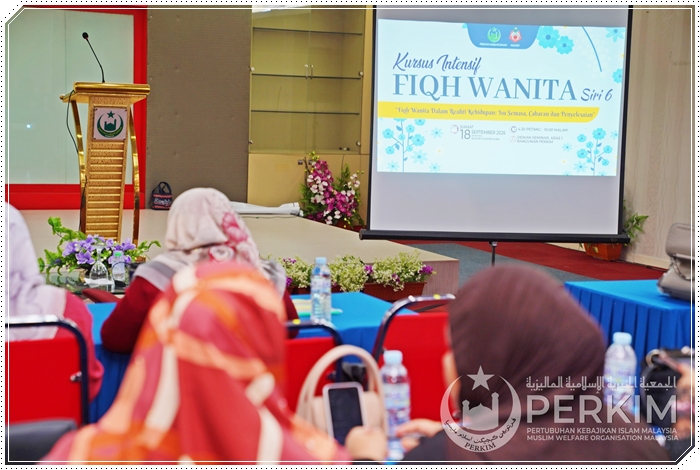
The 6th Intensive Women’s Fiqh Course, jointly organised by PERKIM Kebangsaan and MAIWP.
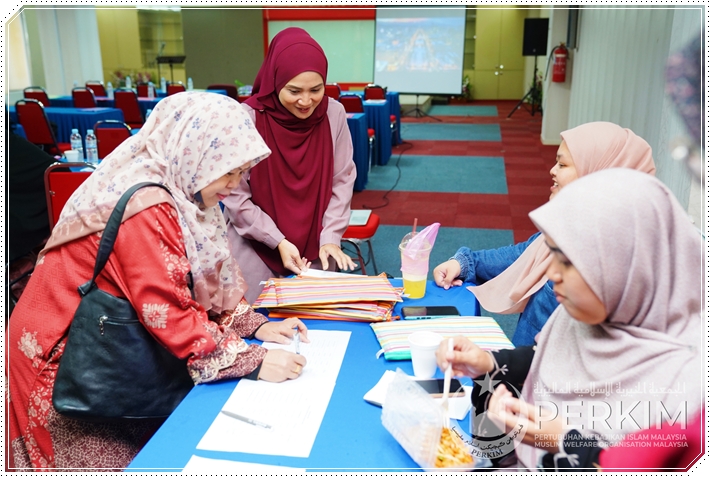
Peserta memeriksa nama dan menandatangani pada borang semasa sesi pendaftaran.
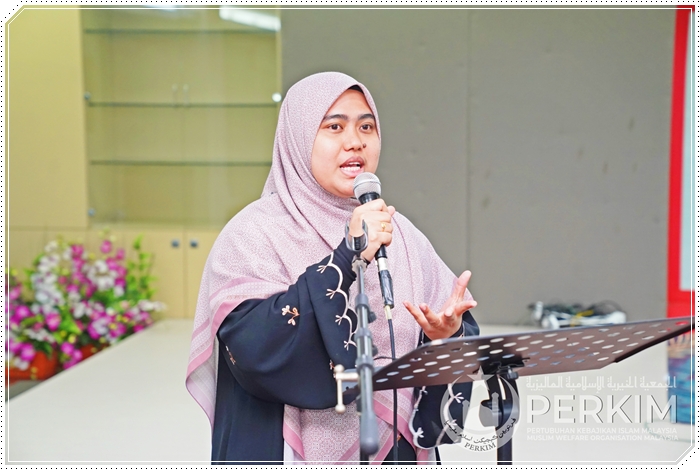
Nur Syahirah Musa officially opened the course as the Master of Ceremonies.
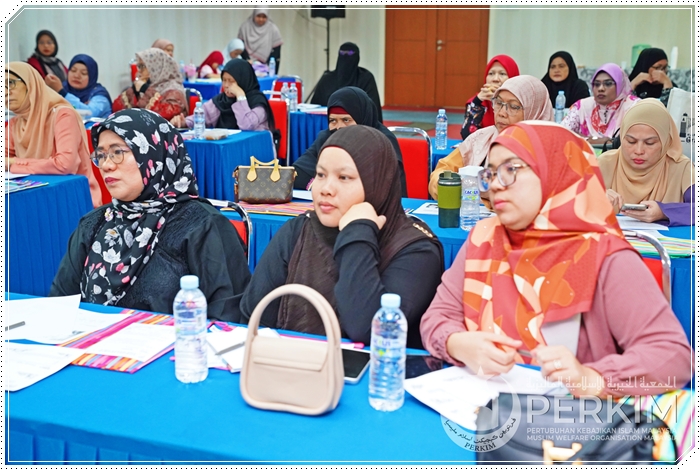
Among the Muslimah converts attending the sixth series of the Women’s Fiqh Course.
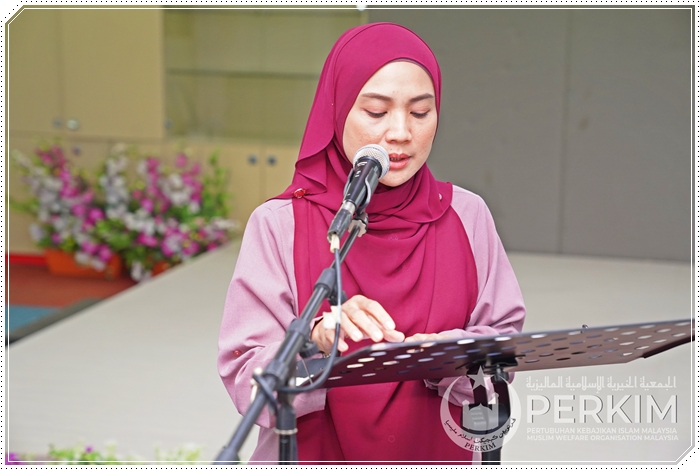
Norlailialpin Suratman led the opening prayer.
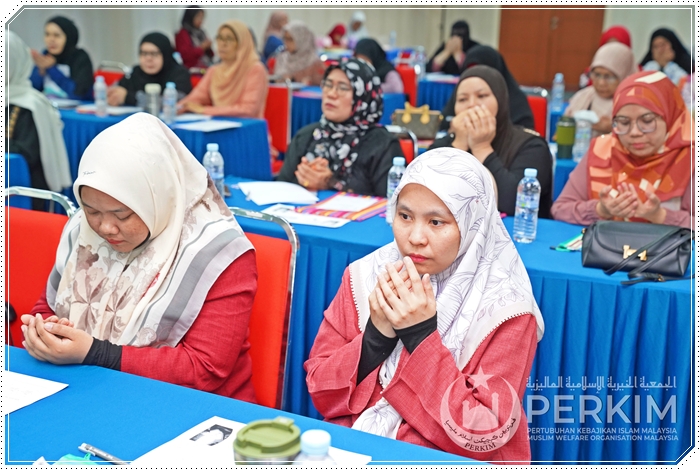
The Muslimah converts raised their hands and responded in affirmation to the prayer.
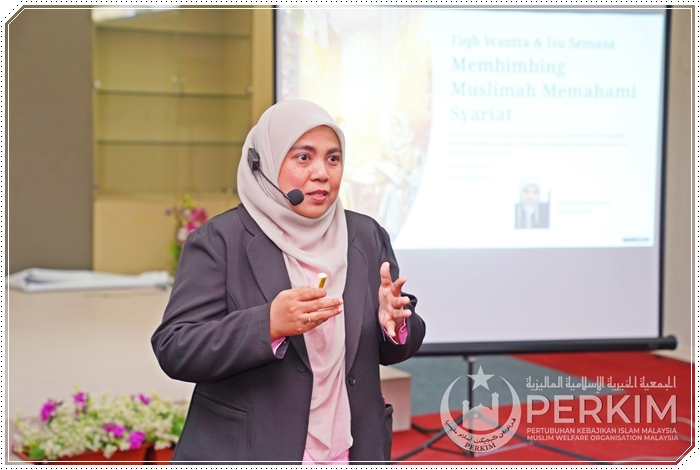
Salina Marhamah delivered a lecture entitled “Women’s Fiqh and Contemporary Issues: Guiding Muslimah to Understand the Shariah.”
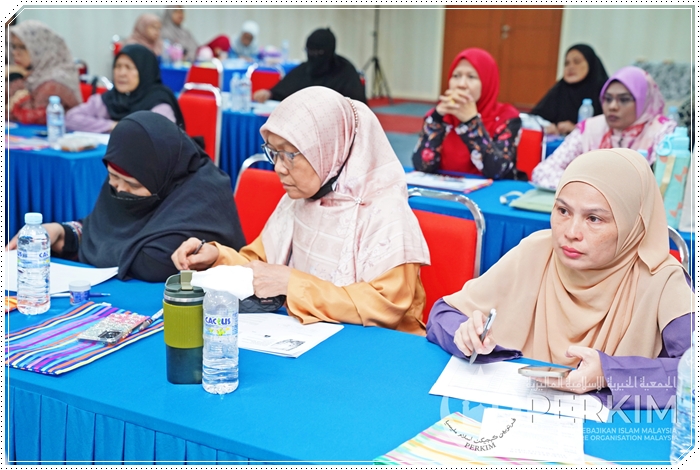
The Muslimah converts listened attentively while taking notes on the knowledge shared.
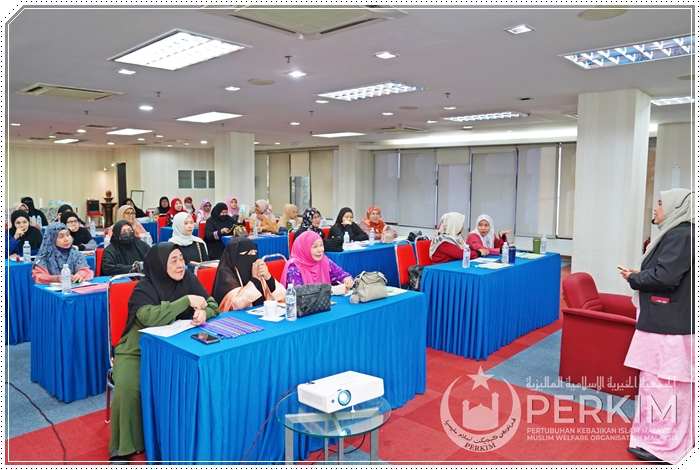
According to Salina Marhamah, Muslimah should not be guided solely by personal desires, prevailing preferences or external influences; rather, their choices should be guided by knowledge and sound intentions
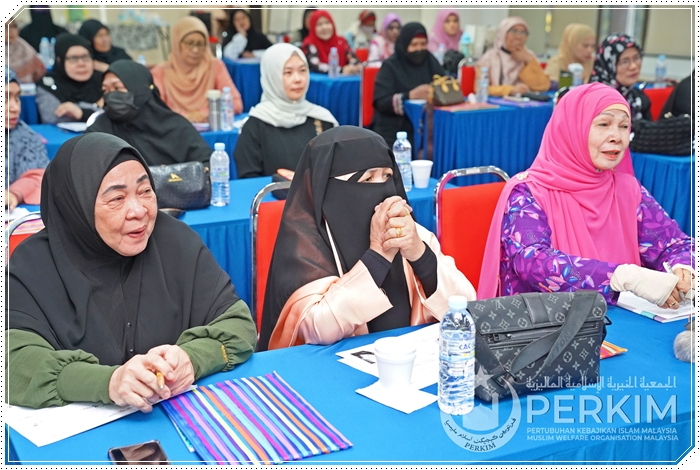
Salina explained to the Muslimah converts that observing proper aurah coverage is a Shariah requirement, which is distinct from pursuing expensive brands or following the latest fashion trends.
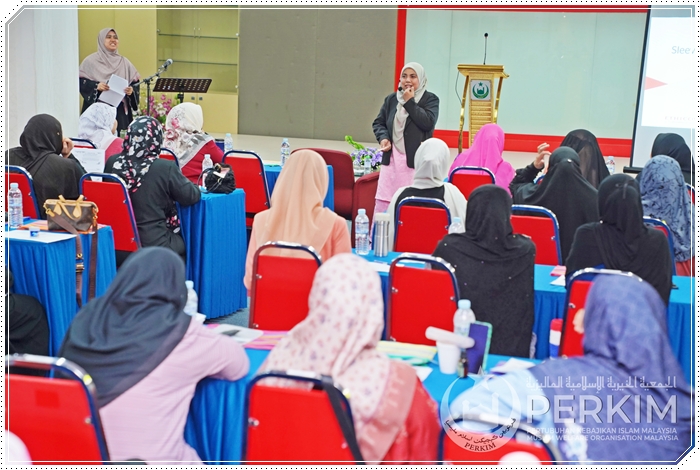
Salina Marhamah also explained the Islamic rulings concerning physical alterations, including bariatric surgery, liposuction, rhinoplasty, plastic surgery, cosmetic procedures and beauty treatments.
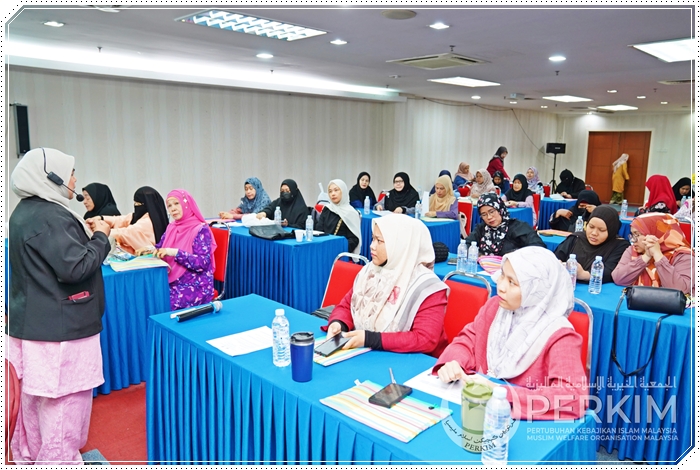
Salina Marhamah continued with the second session entitled “Fiqh of Muslimah Resilience in Times of Crisis and Emergency.”
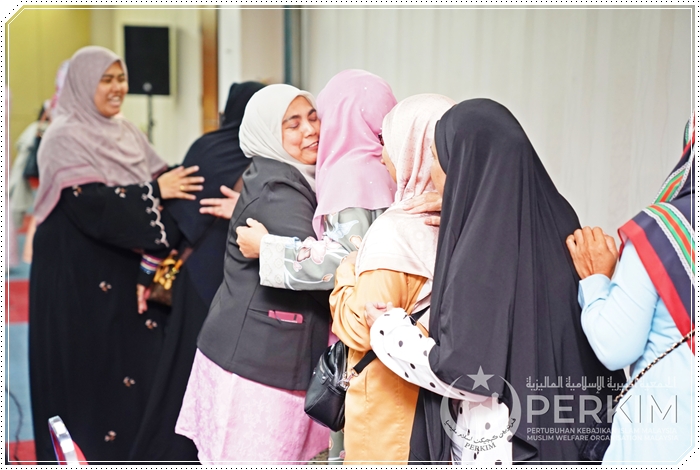
At the conclusion of the lecture, Salina and the organising committee recited selawat together while greeting and shaking hands with the course participants.
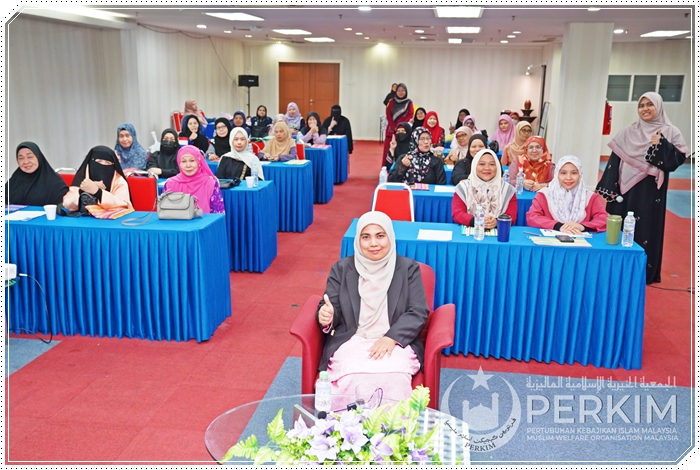
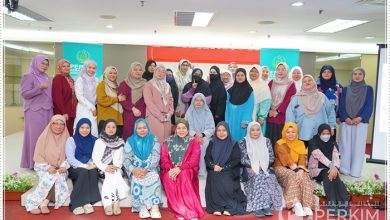
Salina Marhamah, together with the organising committee and participants, posed for a commemorative group photograph at the conclusion of the course.