PERKIM’s 2025 Dakwah and Humanitarian Mission Rekindles Compassion in Chiang Rai

ᵇʸ: ᴹᴼᴴᴰ. ˢʸᴬᴴᴿᴵᴸ ᴿᴼˢᴰᴵ ᴬᴴᴹᴬᴰ ᶻᴬᴴᵁᴰᴵ
CHIANG RAI, OCTOBER 17, 2025 – With a mission rooted in compassion and humanity that transcends borders, the Muslim Welfare Organisation Malaysia (PERKIM) continues to uphold its legacy of service and faith through the 2025 Dakwah and Humanitarian Visit (Jaulah Dakwah dan Ziarah) in the northern highlands of Thailand, particularly in the remote districts of Phu Chi Fa, Huai So, and Ban Wiang Mok, Chiang Rai.
Organised by PERKIM National in collaboration with Yayasan As-Siddiqin and Jom Buat Baik, the initiative served as a bridge to strengthen unity and solidarity among Muslim and non-Muslim communities, while reaching out to families of students from Madrasah Yayasan As-Siddiqin living in the interior.
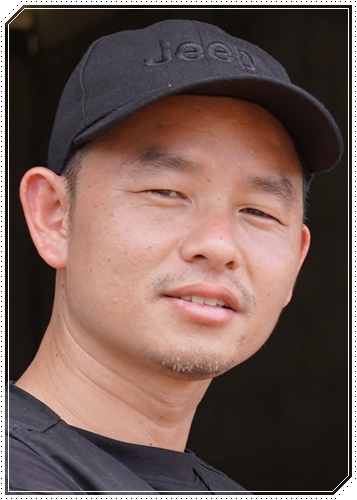
According to Programme Coordinator Ustaz Muhammad Farhan Tee Abdullah, the mission was part of PERKIM’s field dakwah (outreach) initiative to demonstrate Islam’s essence of mercy, love, and humanity.
“Our aim is not merely to deliver aid, but to manifest the compassion of Islam through wisdom and kind deeds. We want communities to see that Islam is a religion of mercy, not coercion but a way of life that brings peace,” he said.
The journey spanned more than 120 kilometres, crossing hilly terrain, rubber plantations, and ethnic minority villages including Hmong, Lahu, Karen, Muser, and Akha settlements. It allowed PERKIM to gain first-hand understanding of the challenges faced by local communities who, despite living in poverty, remain steadfast in preserving family values and humanity.
The small delegation was led by Ustaz Farhan Tee, together with Madrasah Yayasan As-Siddiqin Principal Ustaz Usman Che Mat, Jom Buat Baik Founder Ustaz Azatu Ridzuan Hassan, PERKIM National Finance Executive Mohd Aizat Rosli, and 15 madrasah students who reconnected with their families during the trip.
The journey began at 10 a.m. from Madrasah Yayasan As-Siddiqin to Nom Bua Kham, passing through various rural villages such as Phu Chi Fa, Ban Wiang Mok, Wiang Chai, Long Khe, Ban Mae Phuea, and Nong Tham.
Despite the narrow, steep, and muddy routes through dense forests, the group’s determination remained unshaken. At every stop, they were welcomed with smiles, heartfelt embraces, and tears of joy.
The first home visited was that of Fatihah, a student who had not returned home for six years. At her mother’s humble bamboo house on the slopes of Phu Chi Fa, emotions ran high when her mute mother embraced her tightly in tears of longing.
According to Ustaz Usman, the family lived in extreme poverty, walls made of bamboo, earthen floors, and a zinc roof. Fatihah’s mother now lives with her blind husband, Anucha, and supports the family through foraging and odd jobs.
A heartbreaking story unfolded when Fatihah revealed that her two elder sisters were sold due to dire poverty, while she was surrendered to the foundation for safety and education.
Before leaving, Mohd Aizat distributed food packs to the family and nearby villagers, including Tah Sei, who cares for seven small children.
The next stop was Ban Wiang Mok, to visit the family of Atiqah. Travelling on narrow roads near the Mekong River, the group arrived at night guided only by flashlights. Atiqah’s cousin Dennai received them warmly, as her mother was still at work.
Atiqah shared that her mother had sent her to the madrasah after separating from her husband due to hardship. Ustaz Farhan presented food aid to the family and later visited Atiqah’s aunt Juwah, who donated 45 kilograms of rice to the madrasah in gratitude for caring for her niece.
The delegation also visited Sariah and Rokiah, who lived in severe poverty, renting a dilapidated house for 1,000 baht per month. The group trekked on muddy, uphill paths to reach them. Ustaz Usman and Ustaz Haziq Ariffin took the opportunity to deliver dakwah messages gently, emphasizing love and unity regardless of race or religion.
The second day of the journey took the group to Nom Bua Kham, Long Khe, Sangun Thai, Ban Mae Phuea, Chok Chai, and Nong Tham.
At Nom Bua Kham, they visited Hukkah, mother of student Aiyob, a rubber tapper from the Hmong tribe. Despite their humble surroundings, the family greeted the group with smiles of gratitude. Food packs were also presented to their neighbour Yusof Hahunak, a former student from southern Thailand.
In Wiang Chai, the group met Tasneem’s family. Her grandmother Siti Hajar and great-grandmother Yay Chuan were among the earliest Muslim families in the village. Despite Tasneem’s parents’ separation, her grandmother continued to raise her with deep affection. PERKIM also delivered food assistance to them.
In Long Khe, the team met Anan, the madrasah’s driver and son-in-law of Hasnah. The extended family of 15 lived together across five small houses, earning a living from rubber tapping. They prepared light refreshments to honour their Malaysian guests.
The journey continued to Sangun Thai, where the team intended to visit Zaitun’s family. However, upon arrival after a long trek, her parents were found to have relocated. According to her uncle Licha and aunt Yeoh, of the Muser tribe, the family had moved to a distant village.
A touching reunion took place in Ban Mae Phuea, where student Jannah met her mother Payyeng after two years apart. A single mother from the Hmong tribe, Payyeng works on banana, sugarcane, and corn plantations to pay rent of 500 baht a month.
After her husband’s death from cancer, four of her children were given away due to poverty. Yet, her embrace of Jannah reflected the unbreakable love between mother and child. Ustaz Farhan delivered aid and words of encouragement for Jannah to persevere in her studies.
In Chok Chai, the team witnessed the warmth of fellowship among families of students Kauthar, Bukhari, and Anas, who lived in a communal longhouse shared by five Hmong families. Parents advised their children to keep learning and to respect Islam, even though the families held different beliefs.
The final destination was Nong Tham, near Ban Mai Chatsan, to visit the families of Amirah and Nur Huda. After a long journey through Ban Pa Sa and Wiang Chai, the group arrived to scenes of emotional reunion.
Their mother, Nang Cher, explained that Amirah was her fourth child and Nur Huda the seventh of eight siblings. The children’s father, a rubber tapper, now works on a plantation in Ban Mae Phuea. Five food packs were presented before the delegation departed.
“We are grateful to see these families healthy and maintaining close ties with their children at the madrasah. This visit is more than a reunion, it is a continuation of love and dakwah,” said Ustaz Farhan.
He added that the journey demonstrated how dakwah transcends race, language, and religion.
“We came not as tourists, but as brothers and sisters bringing greetings, compassion, and hope. This is the true meaning of rahmatan lil ‘alamin, mercy for all creation, which defines PERKIM’s mission,” he emphasized.
He also highlighted the strong cooperation between PERKIM, Yayasan As-Siddiqin, and Jom Buat Baik, noting that effective dakwah work demands patience, sincerity, and a high spirit of volunteerism.
The two-day journey was more than a physical expedition through mountains and valleys, it was a spiritual voyage that united hearts in faith and humanity. It carried Islam’s message of compassion and mercy to the borders of Thailand and Laos.
“We will continue this initiative as an annual PERKIM programme because dakwah is not just words, it is action, love, and living example,” said Ustaz Farhan, concluding the meaningful journey.
The 2025 PERKIM Dakwah and Humanitarian Visit in Chiang Rai once again affirmed that Islam is a religion of love and universal humanity.
Wherever humanity resides, dakwah and charity will continue to illuminate lives, bringing hope, peace, and divine mercy to every corner of the world.
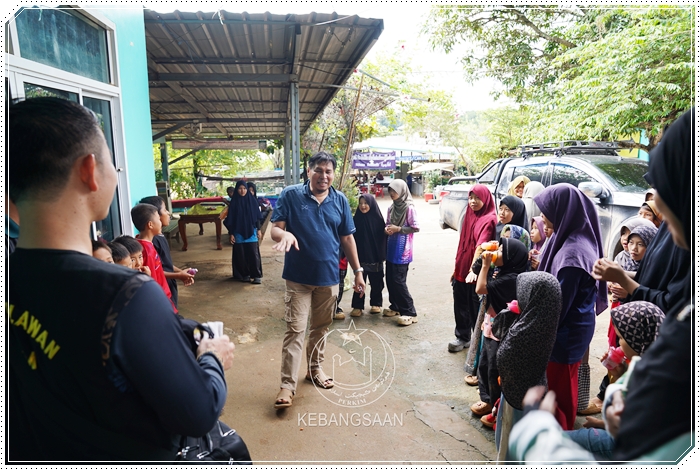
The Mudir of As-Siddiqin, Ustaz Usman delivered a briefing before the group departed to visit the families and relatives of the madrasah students.
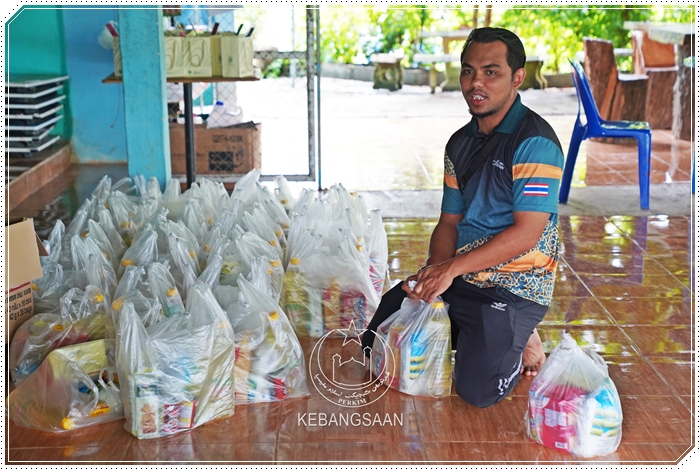
Aizat Rosli prepared food packages for the visit programme.
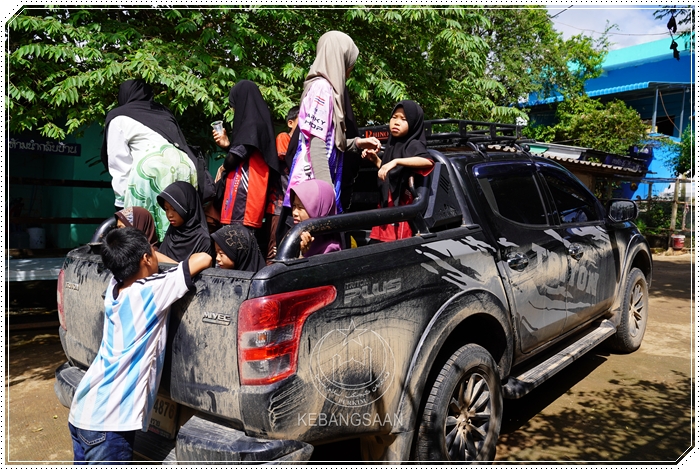
The madrasah children, who were brought along to meet their family members and relatives, boarded four-wheel-drive vehicles.
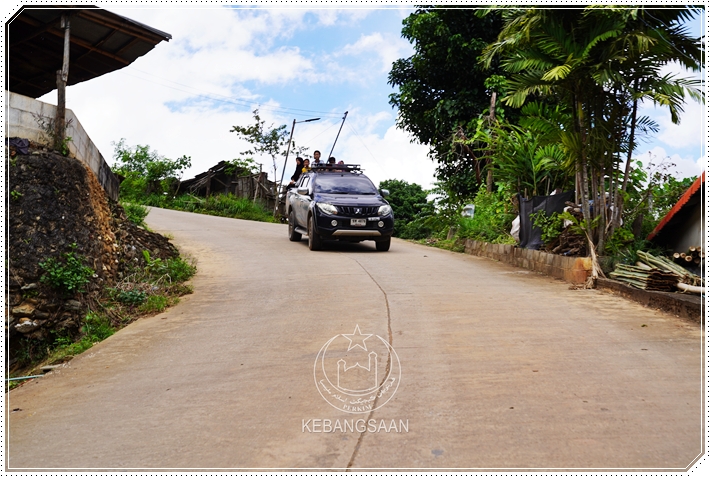
The journey took more than three hours to reach the mountainous region of Phu Chi Fa.
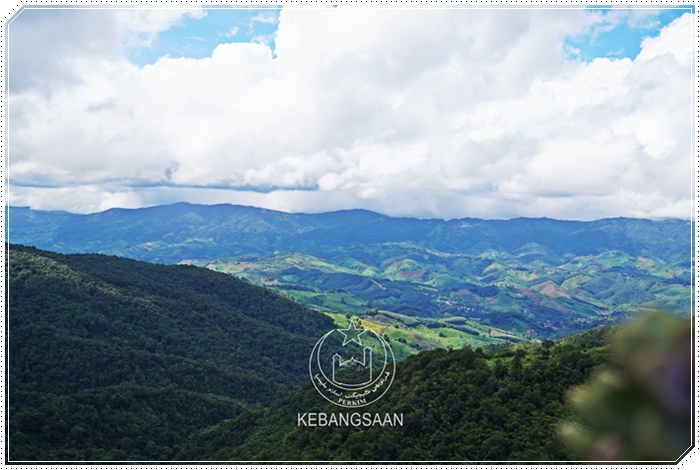
A breathtaking view awaited at the summit of Phu Chi Fa Mountain, Chiang Rai.
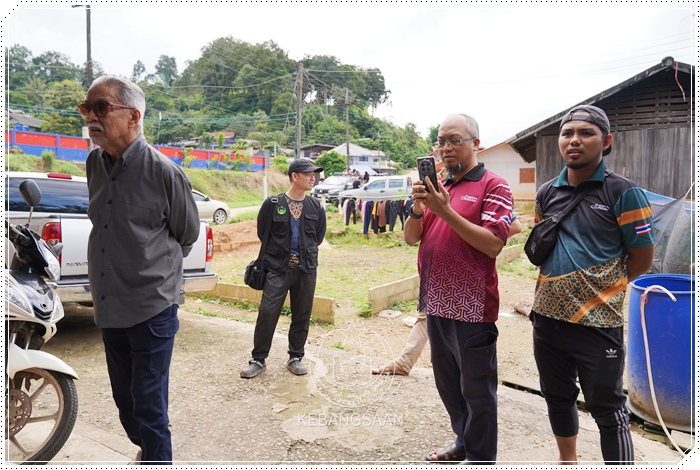
The visiting delegation arrived at Hui Hook village, Phu Chi Fa, to meet the family of Fatihah.
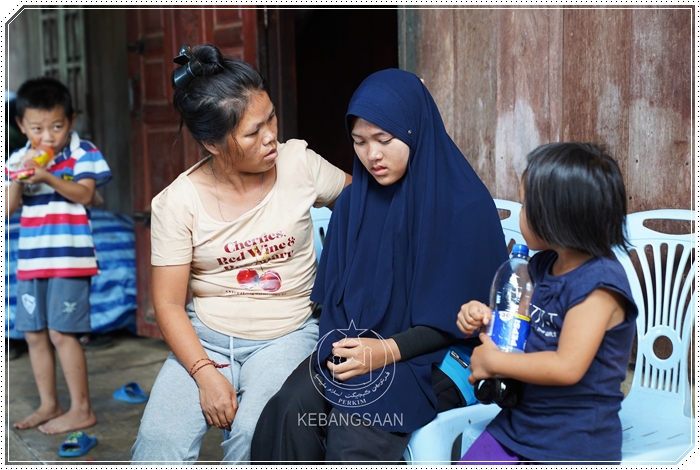
Fatihah was moved to tears after reuniting with her mother, whom she had not seen for six years.
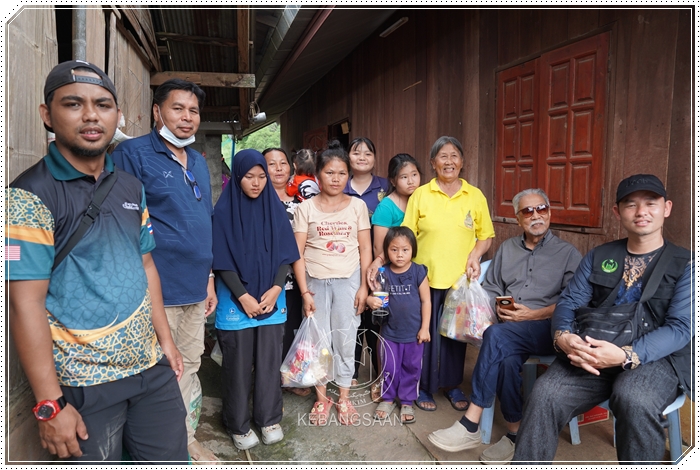
The visiting team delivered three packs of food to Fatihah’s three family members.
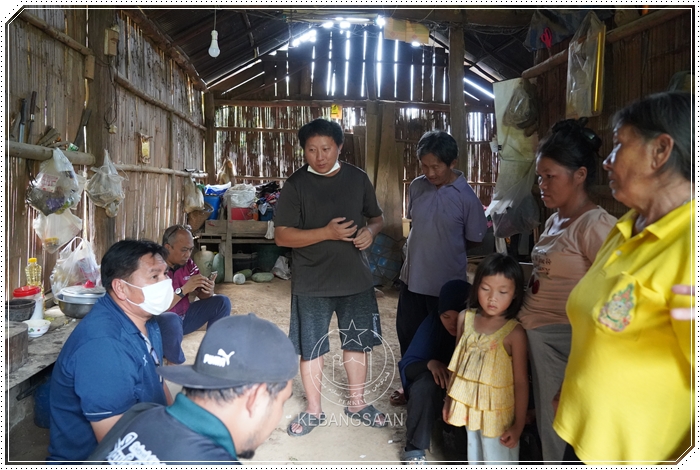
The group also visited Fatihah’s home, which was built with bamboo walls, earthen floors, and a zinc roof.
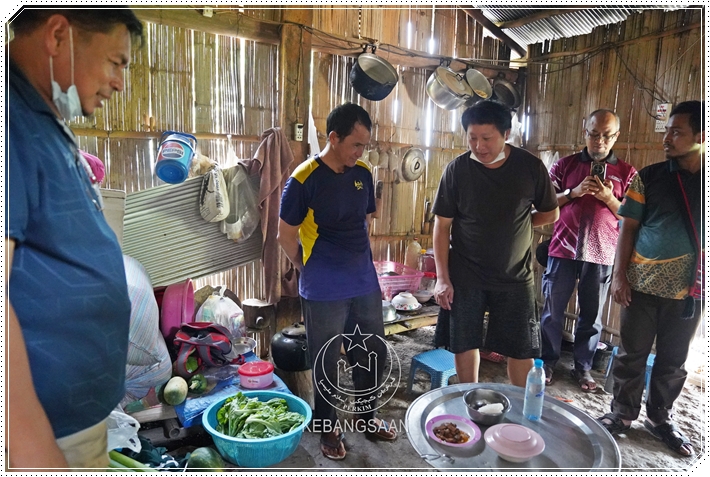
The delegation later visited Fatihah’s neighbour, Tah Sei, who has seven small children.
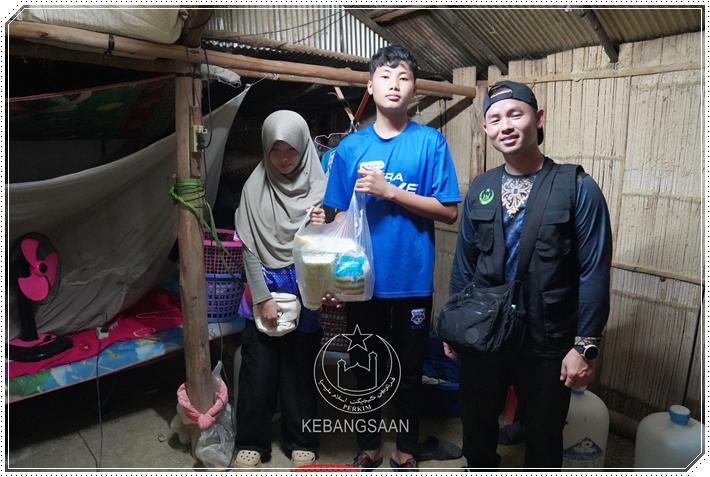
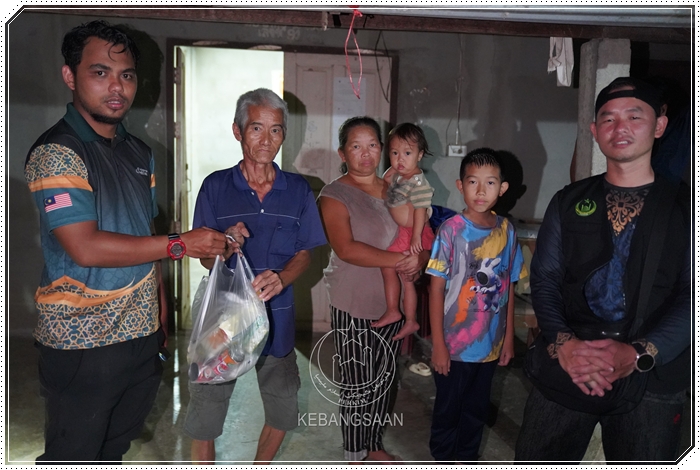
Dennai (centre) received a food pack from Farhan Tee during the visit to Atiqah’s (left) home, a student of Madrasah As-Siddiqin.
The PERKIM delegation visited Atiqah’s aunt, Juwah (centre), and presented food aid to her family.
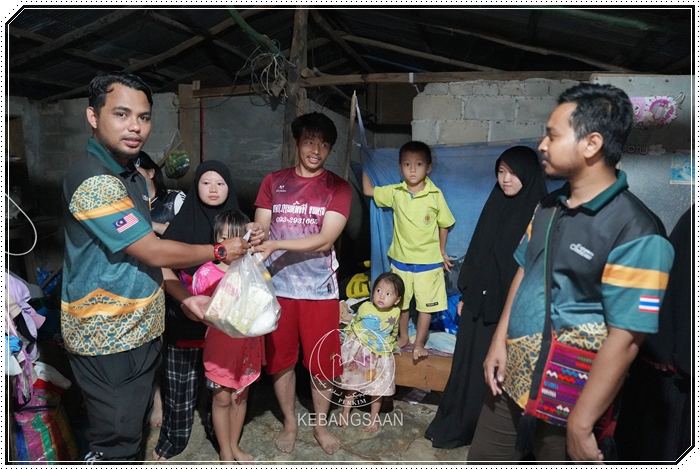
The visiting group delivered food packs to Sariah’s elder brother in the remote area of Ban Wiang Mok, travelling along muddy and slippery roads.
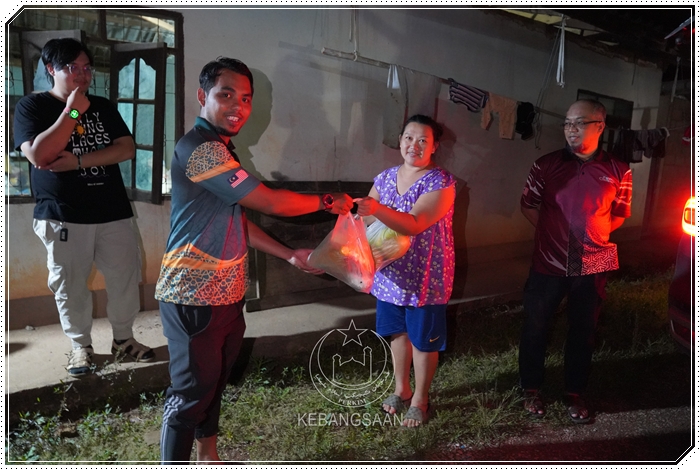
Aizat Rosli also handed food packs to the sister of Ustaz Usman’s wife, who has yet to embrace Islam.
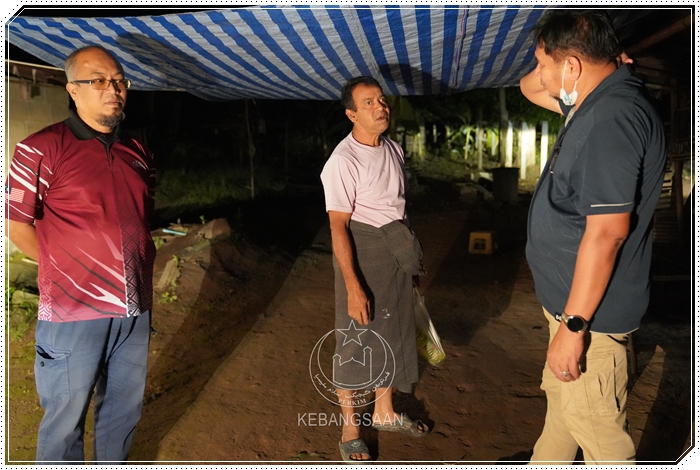
The visit also included the home of Muhammad Alom, the only Muslim family in the village.
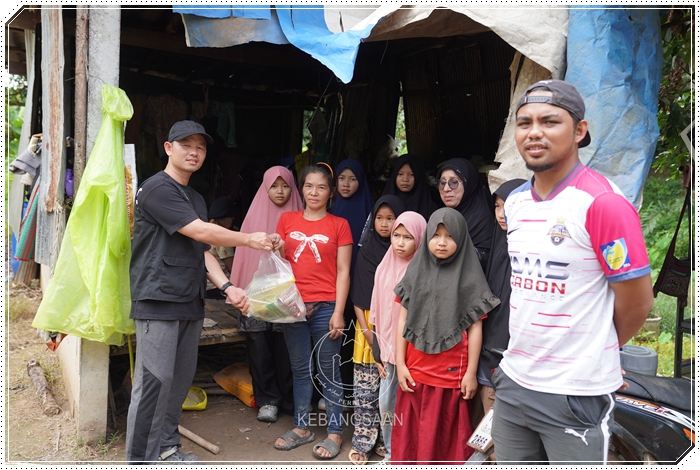
Farhan Tee presented a food pack to Hukkah, mother of Aiyob, a rubber tapper from Nom Bua Kham.
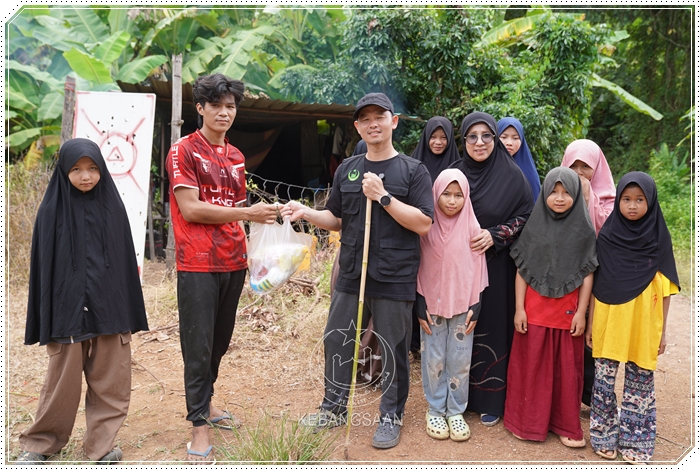
Food aid was also extended to their neighbour, Yusof Hahunak, who once studied Islamic knowledge in southern Thailand.
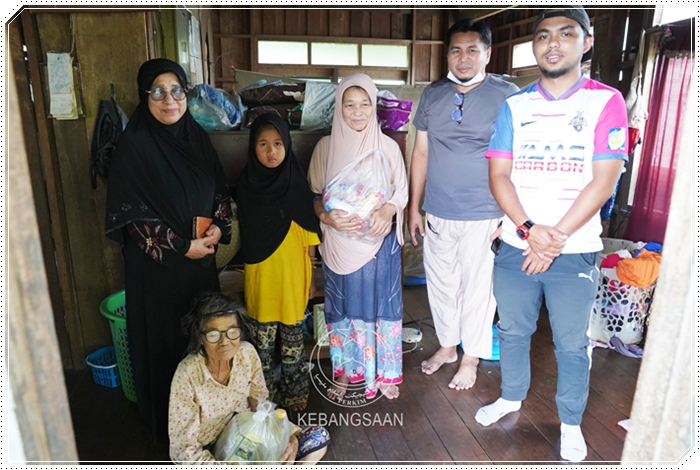
In Wiang Chai, the delegation visited Tasneem’s family. Her grandmother, Siti Hajar, received the food pack from the visiting group.
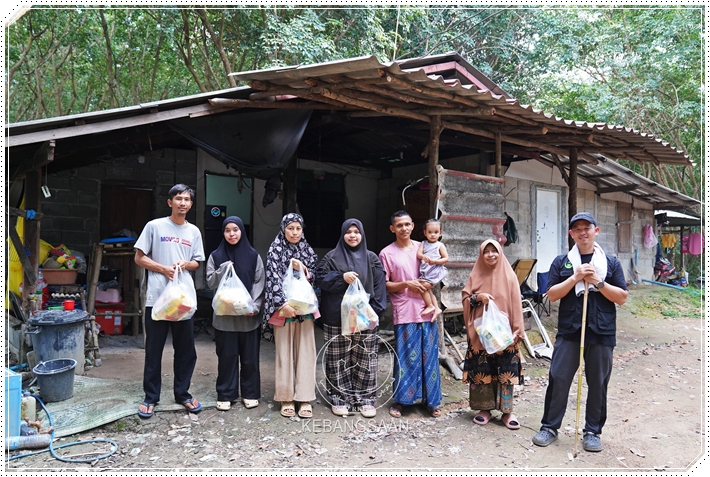
The journey to Long Khe brought the team to meet the family of Anan, the madrasah driver. The large extended family earns a living as rubber tappers.
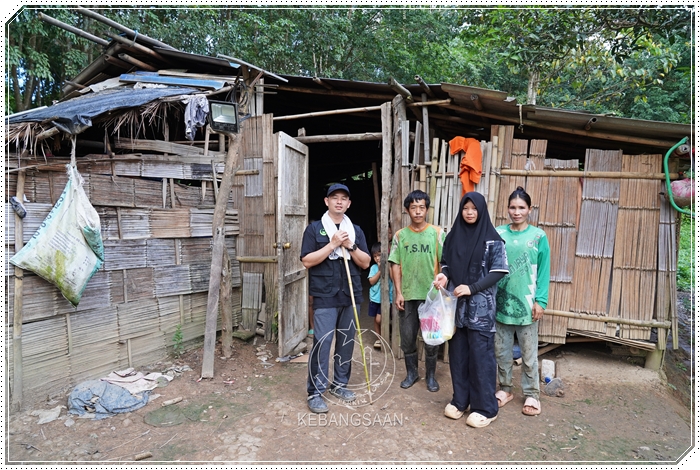
Farhan Tee visited and handed food aid to Zaitun’s uncle and aunt in Sangun Thai.
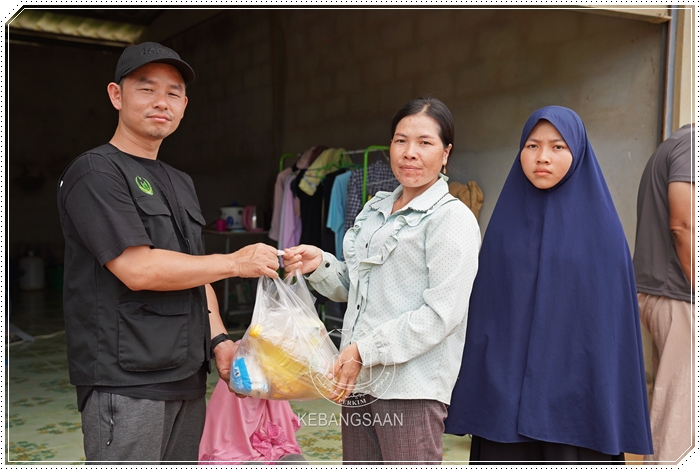
Farhan Tee also presented food packs to Payyeng, mother of Jannah, in Ban Mae Phuea.
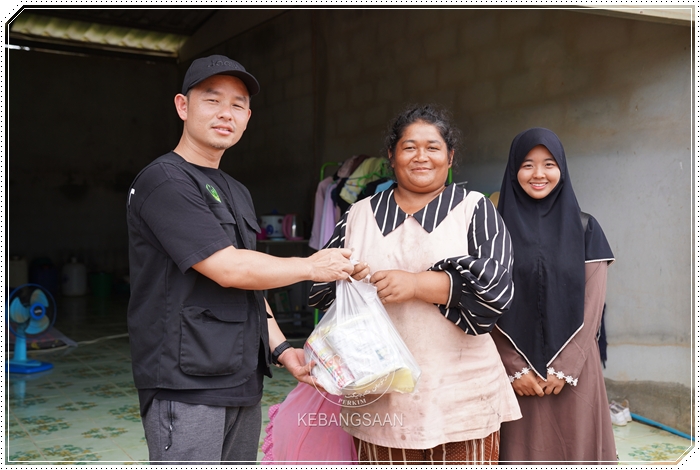
Pont, a neighbour of Payyeng and relative of Amirah, received a food pack from Farhan Tee.
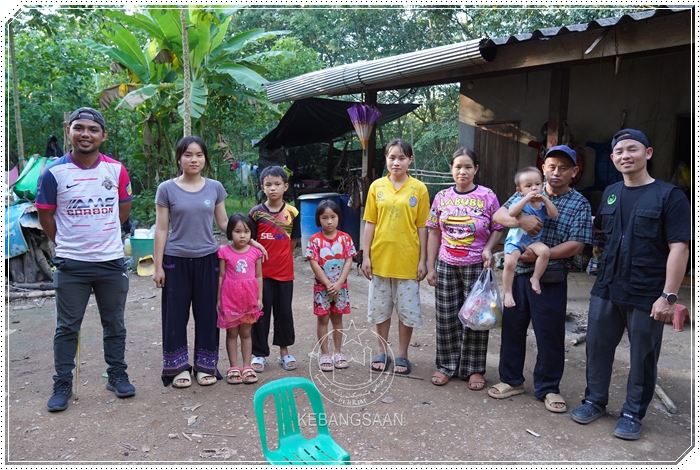
Food aid was also distributed to Bukhari’s family, who live in a rubber plantation in Chok Chai, by the PERKIM delegation.
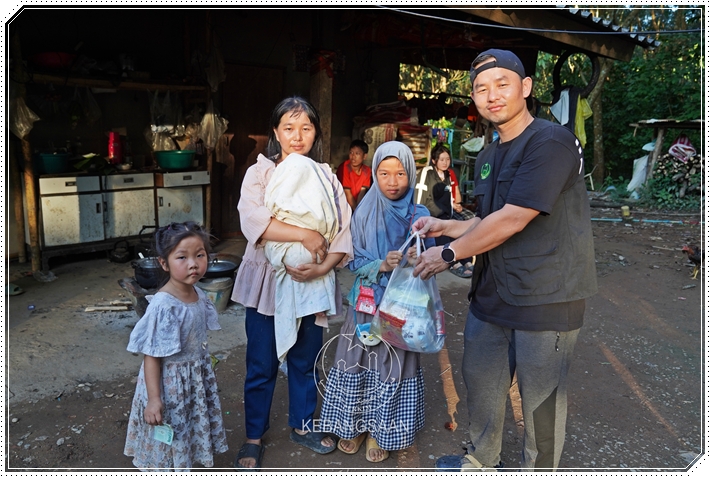
Farhan Tee handed over food assistance to Kauthar and her family in Chok Chai.
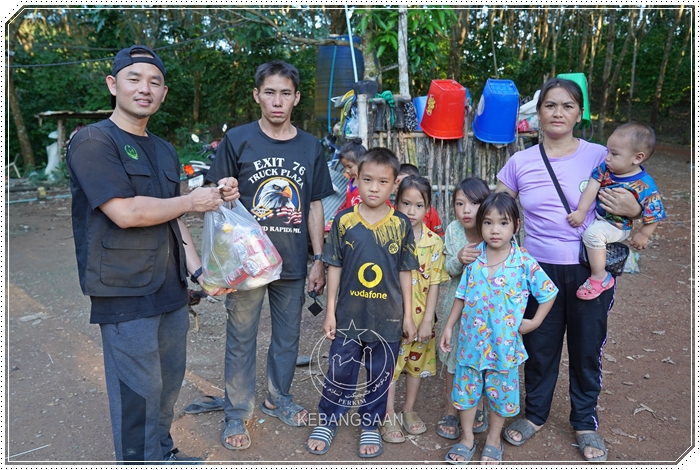
The family of Anas also received food packs during the visit to their rubber plantation home in Chok Chai.
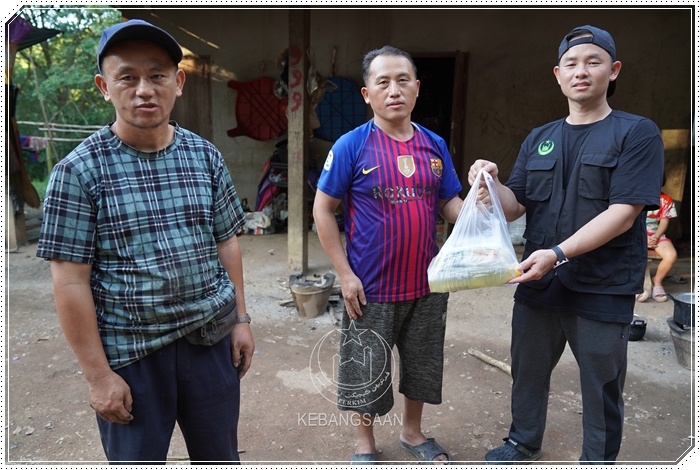
Their neighbour, Wanghiyyah, likewise received food aid from Farhan Tee.
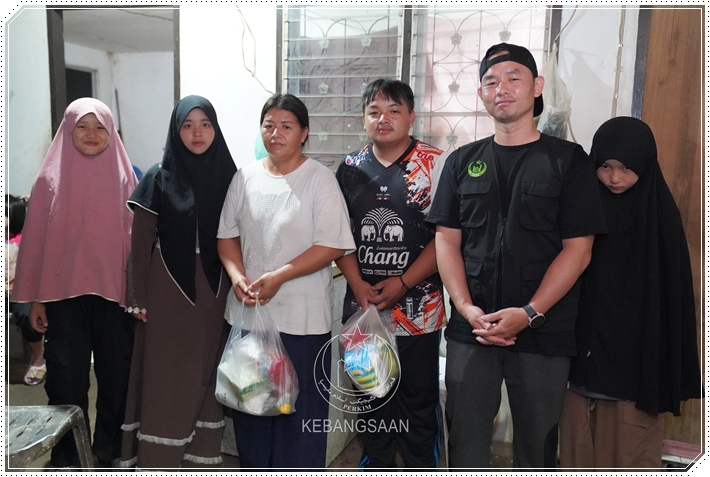
Farhan Tee presented food packs to Amirah and Nur Huda’s family in Nong Tham.
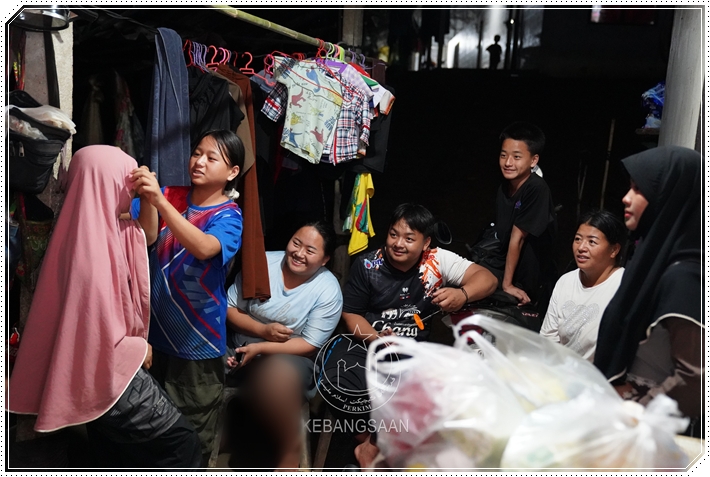
A younger sibling adjusted Nur Huda’s headscarf, watched with joy by other family members.
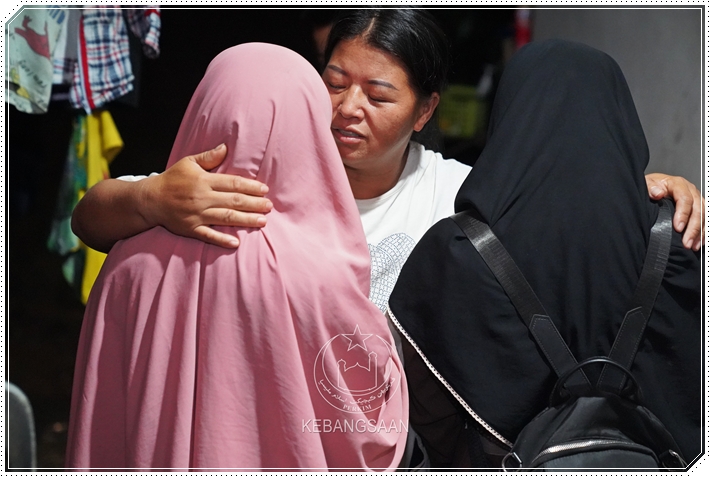
Nang Cher, mother of Amirah and Nur Huda, embraced both daughters tightly and offered words of encouragement for their future success.
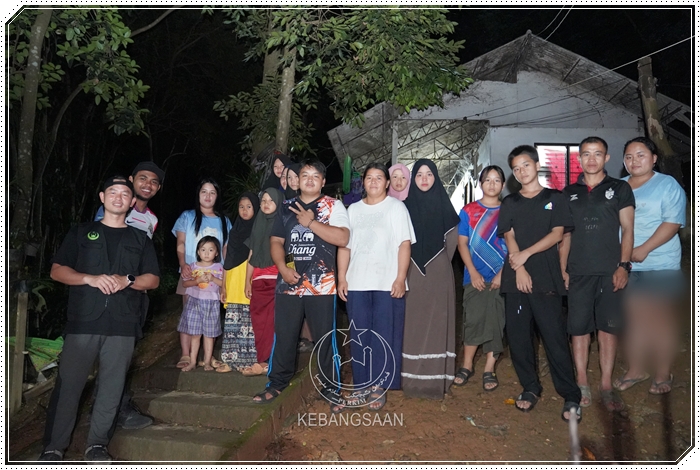
At the end of the visit, Amirah and Nur Huda’s family took a group photo with the PERKIM delegation and Madrasah As-Siddiqin students to commemorate the meaningful occasion.